

Carpathian Walnuts & Pecans
15 years ago
Sort by:Oldest
Comments (6)
Related Stories
KITCHEN COUNTERTOPS10 Countertop Mashups for the Kitchen
Contrast or complement textures, tones and more by using a mix of materials for countertops and island tops
Full Story
MATERIALSWhat to Ask Before Choosing a Hardwood Floor
We give you the details on cost, installation, wood varieties and more to help you pick the right hardwood flooring
Full Story
DECORATING GUIDESWhat Goes With Dark Wood Floors?
Avoid a too-heavy look or losing your furniture in a sea of darkness with these ideas for decor pairings
Full Story
MOST POPULAR8 Great Kitchen Cabinet Color Palettes
Make your kitchen uniquely yours with painted cabinetry. Here's how (and what) to paint them
Full Story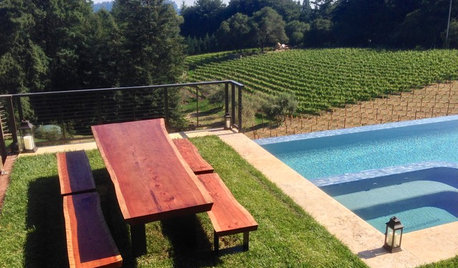
WORKING WITH PROSHow to Commission Custom Wood Furnishings
Can't find just the right table, shelf, desk or what have you? It's woodworkers to the rescue
Full Story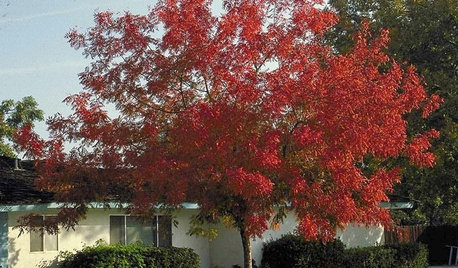
RED FOLIAGEGreat Design Plant: Chinese Pistache
Versatile and easygoing, this tree puts on a guaranteed fall spectacle in the landscape
Full Story
LIFEHow to Outsmart Backyard Critters
Learn to think like a raccoon, skunk or squirrel to keep your home safe and your garden intact
Full Story
DECORATING GUIDESEntertaining: Hosts Pull Out the Stops for Kentucky Derby Parties
Walk through the lavishly appointed Malvern House as designer Lee W. Robinson shares tips for gatherings that go the distance
Full Story
FEEL-GOOD HOMEWhat Really Makes Us Happy at Home? Find Out From a New Houzz Survey
Great design has a powerful impact on our happiness in our homes. So do good cooking smells, family conversations and, yes, big-screen TVs
Full Story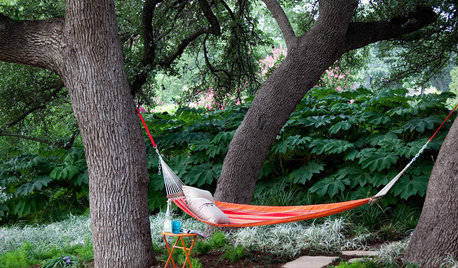
GARDENING GUIDES8 Essential Native Shade Trees for the U.S. Southeast
These beauties provide cool shade in the summer and easily withstand the heat and humidity of the South
Full Story

pineresin
ga_karenOriginal Author
Related Professionals
Panama City Landscape Architects & Landscape Designers · Rome Landscape Architects & Landscape Designers · Fort Dodge Landscape Architects & Landscape Designers · Gloucester Landscape Architects & Landscape Designers · Hilo Landscape Architects & Landscape Designers · Fayetteville Landscape Contractors · Forrest City Landscape Contractors · New Orleans Landscape Contractors · Salisbury Landscape Contractors · Asheville Landscape Contractors · Amherst Landscape Contractors · Chico Landscape Contractors · Raleigh Home Additions · Chambersburg Home Additions · Portland Home Additionsgreenthumbzdude
lucky_p
ga_karenOriginal Author
lucky_p