

Front Range Tree Recommendation List©
15 years ago
Sort by:Oldest
Comments (7)

Related Stories
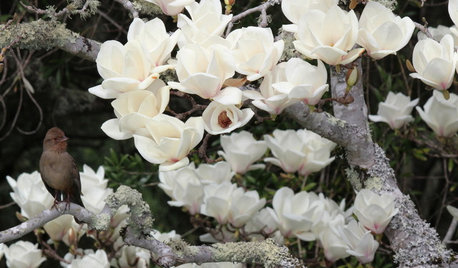
SPRING GARDENING7 Spectacular and Practical Spring-Flowering Trees
Put on a beauteous show in the garden with a landscape tree awash in flowers — just do your homework first
Full Story
CHRISTMASReal vs. Fake: How to Choose the Right Christmas Tree
Pitting flexibility and ease against cost and the environment can leave anyone flummoxed. This Christmas tree breakdown can help
Full Story
SIDE YARD IDEASNarrow Trees for Tight Garden Spaces
Boost interest in a side yard or another space-challenged area with the fragrance and color of these columnar trees
Full Story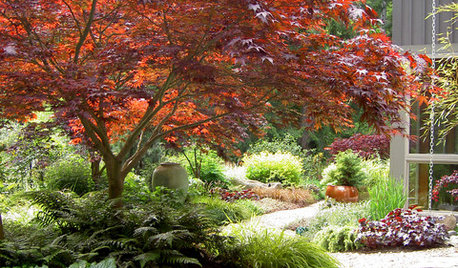
TREES11 Japanese Maples for Breathtaking Color and Form
With such a wide range to choose from, there’s a beautiful Japanese maple to suit almost any setting
Full Story
EXTERIORS13 Dramatic Exterior Paint Makeovers by Houzzers
See real-life before and afters of home fronts transformed with paint, in wide-ranging colors and styles
Full Story
KITCHEN DESIGNHow to Find the Right Range for Your Kitchen
Range style is mostly a matter of personal taste. This full course of possibilities can help you find the right appliance to match yours
Full Story
KITCHEN APPLIANCESWhat to Consider When Adding a Range Hood
Get to know the types, styles and why you may want to skip a hood altogether
Full Story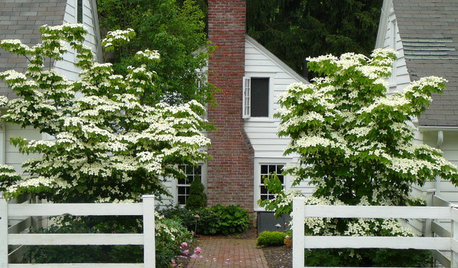
TREES7 Deer-Resistant Flowering Trees to Plant this Fall
If you live in a neighborhood with roaming deer, consider these beautiful trees that won't tempt hungry guests
Full Story
HOUZZ TOURSHouzz Tour: Bright Outlook for a Midcentury Home in the Trees
Two designers lavish love on their 1968 house and create a cool haven in the Philadelphia suburbs
Full Story
GARDENING GUIDES5 Best-Behaved Trees to Grace a Patio
Big enough for shade but small enough for easy care, these amiable trees mind their manners in a modest outdoor space
Full Story

haroldandcher17222_yahoo_com
brandon7 TN_zone7
Related Professionals
Panama City Landscape Architects & Landscape Designers · Hopkinsville Landscape Architects & Landscape Designers · Salisbury Landscape Architects & Landscape Designers · Anderson Landscape Architects & Landscape Designers · Longview Landscape Architects & Landscape Designers · Virginia Beach Landscape Architects & Landscape Designers · Moline Landscape Architects & Landscape Designers · Syracuse Landscape Architects & Landscape Designers · Akron Landscape Architects & Landscape Designers · Zanesville Landscape Contractors · Dubuque Landscape Contractors · Canton Landscape Contractors · Los Angeles Landscape Contractors · Macon Home Additions · Vineland Home AdditionsDan _Staley (5b Sunset 2B AHS 7)Original Author
ken_adrian Adrian MI cold Z5
cacau
drrich2
haroldandcher17220_sbcglobal_com