

Probing the soil
18 years ago
Sort by:Oldest
Comments (8)
Related Stories
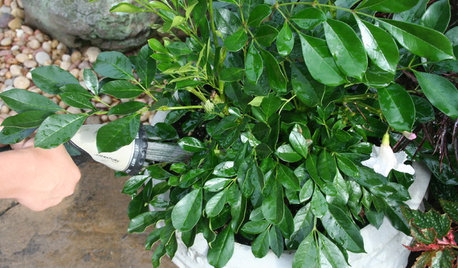
CONTAINER GARDENSContainer Garden Basics: How and When to Water Potted Plants
Confused about soil moisture, the best time to water and what watering device to use? This guide can help
Full Story
LANDSCAPE DESIGNPretty Trees for Patios, Paths and Other Tight Spots
Choose trees for their size, shape and rate of growth — or shape them to fit your space. Here's how to get started
Full Story
Great Design Plant: Sanguinaria Canadensis Lights the Spring Woodland
Bloodroot’s large, showy white flowers and attractive foliage brighten eastern woodland gardens in early spring
Full Story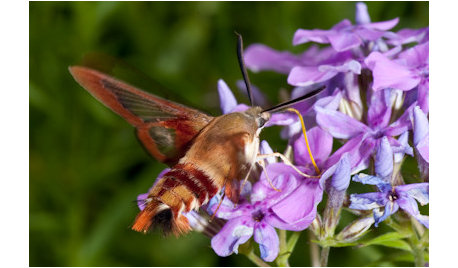
GARDENING GUIDESGreat Design Plant: Prairie Phlox Draws Winged Beauties
Beauty and a sweet fragrance are just the beginning with this spring bloomer. Watch the butterflies and moths descend on it for nectar
Full Story
PRODUCT PICKSGuest Picks: High-Tech Plant Helpers
Hydroponics, monitoring systems, even an electric pollinator ... these gadgets and services keep your greenery growing strong
Full Story
GARDENING GUIDESGreat Design Plant: Echinacea Pallida
Plant pale purple coneflower in perennial gardens or informal prairie plantings for spring blooms, bees and butterflies
Full Story
HOUSEPLANTS8 Essentials for Healthy Indoor Plants
Houseplants add so much to our homes — and can thrive when grown in the right conditions. Keep these tips in mind
Full Story
EDIBLE GARDENSHow to Grow Your Own Sweet Summer Crops
This guide will help any gardener get started on growing the freshest warm-season veggies and berries for summer
Full Story
CONTAINER GARDENSHappy Houseplants, Happy People
Potted plants add life and beauty to a room. Learn easy ways to keep them healthy
Full Story
CALIFORNIA GARDENINGCalifornia Gardener's July Checklist
Bite into tree-fresh apricots, inhale delightful garden perfumes and continue planting vegetables for a late-summer harvest
Full Story
momamamo
david52 Zone 6
Related Professionals
Sarasota Landscape Architects & Landscape Designers · South Sioux City Landscape Architects & Landscape Designers · Washington Landscape Contractors · Moline Landscape Contractors · North Adams Landscape Contractors · Duluth Landscape Contractors · Jackson Landscape Contractors · Victoria Landscape Contractors · Georgetown Stone, Pavers & Concrete · Texarkana Stone, Pavers & Concrete · Utica Stone, Pavers & Concrete · Williamsport Stone, Pavers & Concrete · Superior Stone, Pavers & Concrete · Evanston Stone, Pavers & Concrete · Sarnia Stone, Pavers & Concretedchall_san_antonio
jim_w_nyOriginal Author
Kimmsr
bob64
Coast Live Tropicals
toxcrusadr