

Linden Advice
16 years ago
Sort by:Oldest
Comments (6)

Related Stories
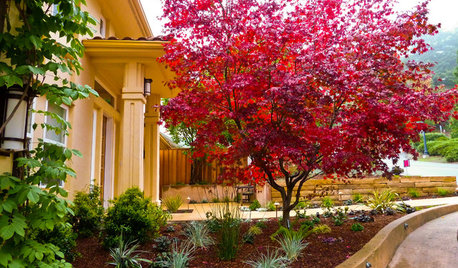
LANDSCAPE DESIGN7 Great Trees for Summer Shade and Fall Color
These landscape-pro faves straddle the seasons beautifully. Could one enhance your own yard?
Full Story
LANDSCAPE DESIGN8 Reasons to Plant a Great Tree
Beauty is its own reward, but the benefits of planting the right tree in the right place go way beyond looks
Full Story
SPRING GARDENINGTop 10 Scented Plants for Your Garden
A palette of perfumed plants can transform even the smallest of gardens into a sensory delight
Full Story
LANDSCAPE DESIGNGet Along With Less Lawn — Ideas to Save Water and Effort
Ditch the mower and lower your water bill while creating a feast for the eyes with diverse plantings and gathering places
Full Story
EDIBLE GARDENSNatural Ways to Get Rid of Weeds in Your Garden
Use these techniques to help prevent the spread of weeds and to learn about your soil
Full Story
GREAT HOME PROJECTSUpgrade Your House With New Interior Doors
New project for a new year: Enhance your home's architecture with new interior doors you'll love to live with every day
Full Story
COLORCobalt Gets the Red Carpet Treatment
It dazzled at the Emmys, but this bold blue is earning rave reviews around the home too
Full Story
LANDSCAPE DESIGNHow to Create a Beautiful Shade Garden
Turn the cool, shady spot in your garden into your own quiet oasis
Full Story
HOUZZ TOURSMy Houzz: A Sherbet-Colored Kitchen and a Spa-Like Bath
Portland, Oregon, homeowners update their 1950s ranch to create their dream ‘glass house’
Full Story


Dan _Staley (5b Sunset 2B AHS 7)
iforgotitsonevermind
Related Professionals
Tallahassee Landscape Architects & Landscape Designers · Portsmouth Landscape Architects & Landscape Designers · Worthington Landscape Architects & Landscape Designers · San Francisco Landscape Architects & Landscape Designers · Spanish Fork Landscape Architects & Landscape Designers · Seattle Landscape Architects & Landscape Designers · Chatham Landscape Architects & Landscape Designers · Nashville Landscape Contractors · Beaumont Landscape Contractors · Kankakee Landscape Contractors · Coldwater Landscape Contractors · Bloomington Home Additions · Bemidji Home Additions · Clearlake Home Additions · Magog Home Additionsarbordave (SE MI)
marcindyOriginal Author
Embothrium
arbordave (SE MI)