

sheet composting the corn stalks
19 years ago
Sort by:Oldest
Comments (6)
Related Stories
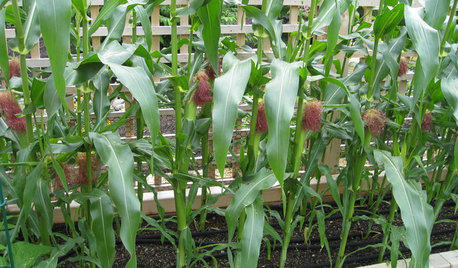
SUMMER FRUITS AND VEGETABLESHow to Grow Your Own Fresh, Sweet Corn
Here's how to plant and care for your own mini cornfield
Full Story
THE HARDWORKING HOMEClever Ways to Rethink the Linen Closet
The Hardworking Home: Get rid of those toppling piles with these ideas for organizing bedding, towels and more
Full Story
GARDENING GUIDESBackyard Birds: How to Care for American Goldfinches
The American goldfinch is a bright-in-the-summer visitor and one of the only vegetarian songbirds. Here's how to give them a healthy habitat
Full Story
EARTH DAYThe Case for Losing the Traditional Lawn
Work less, help the environment and foster connections by just saying no to typical turf
Full Story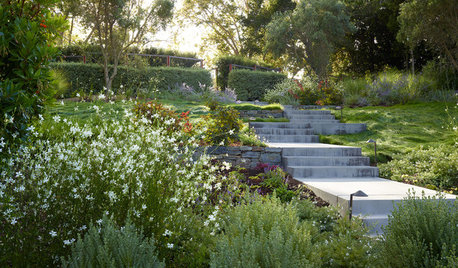
EARTH DAY5 Ideas for a More Earth-Friendly Garden
Consider increasing the size of garden beds, filtering rainwater and using plants to reduce energy use
Full Story
EDIBLE GARDENSHow to Grow Your Own Sweet Summer Crops
This guide will help any gardener get started on growing the freshest warm-season veggies and berries for summer
Full Story
FALL GARDENING7 Reasons Not to Clean Up Your Fall Garden
Before you pluck and rake, consider wildlife, the health of your plants and your own right to relax
Full Story
EDIBLE GARDENSSummer Crops: How to Grow Tomatoes
Plant tomato seedlings in spring for one of the best tastes of summer, fresh from your backyard
Full Story
MOST POPULAREasy Green: 23 Ways to Reduce Waste at Home
Pick from this plethora of earth-friendly ideas to send less to the landfill and keep more money in your pocket
Full Story
FARM YOUR YARDHow to Grow Vegetables in Containers
Get glorious vegetables and fruits on your patio with a pro’s guidance — including his personal recipe for potting mix
Full Story
jannoel_gw
Kimmsr
Related Professionals
West Palm Beach Landscape Architects & Landscape Designers · Cincinnati Landscape Architects & Landscape Designers · Brooklyn Landscape Architects & Landscape Designers · Bloomington Landscape Contractors · Atlantic City Landscape Contractors · Kankakee Landscape Contractors · Providence Landscape Contractors · San Francisco Landscape Contractors · Durango Landscape Contractors · Tacoma Landscape Contractors · Sanford Landscape Contractors · Pine Bluff Stone, Pavers & Concrete · Chattanooga Stone, Pavers & Concrete · Newark Stone, Pavers & Concrete · Oneonta Stone, Pavers & Concretetsugajunkie z5 SE WI ♱
diggity_ma
shellvaOriginal Author
diggity_ma