

Crepe Myrtle Issues
18 years ago
Sort by:Oldest
Comments (7)
Related Stories
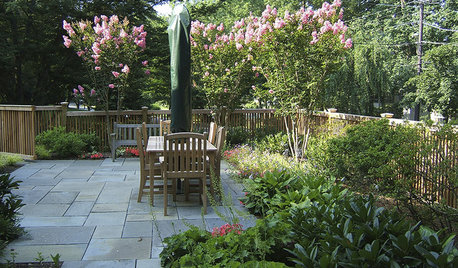
GARDENING GUIDESGreat Design Plant: Crape Myrtle
With long-lasting blooms and gorgeous exfoliating bark, this ornamental tree brings bright color and a unique form to the landscape
Full Story
LANDSCAPE DESIGNLandscaping Magic Fixes a Dangerous Sloped Yard
It had scary parking, a confusing entry and erosion issues. See how this steep California landscape gained safety, beauty and clarity
Full Story
GARDENING GUIDES5 Best-Behaved Trees to Grace a Patio
Big enough for shade but small enough for easy care, these amiable trees mind their manners in a modest outdoor space
Full Story
DECORATING GUIDESHouzz Tour: Arts and Crafts Cottage Gets a Lively Remake
An interior designer uses color, light and historical touches to brighten up a 1920s Sydney home
Full Story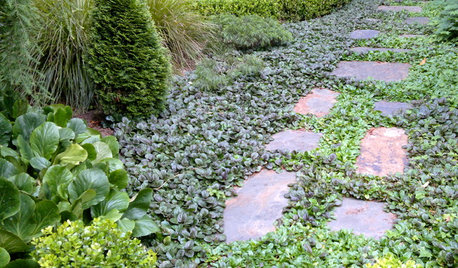
GROUND COVERSGround Force: 10 Top Ground Covers for Your Garden
Protect your soil from weeds and drought this summer with a living mulch of ground covers
Full Story
LANDSCAPE DESIGN6 Driveway Looks Take Landscapes Along for the Ride
See how to design a front yard that makes your driveway its own destination
Full Story
FEEL-GOOD HOME9 Smells You Actually Want in Your Home
Boost memory, enhance sleep, lower anxiety ... these scents do way more than just smell good
Full Story
CURB APPEALTake Your Hell Strip to Heavenly Heights: 8 Design Ideas
Trade weedy dirt and trash for a parking strip filled with wispy grasses, low-growing flowers and textural trees
Full Story
LANDSCAPE DESIGNThe 7 Best Plant Types for Creating Privacy and How to Use Them
Follow these tips for using different kinds of plants as living privacy screens
Full Story
EXTERIORSWhere Front Yards Collide: Property Lines in Pictures
Some could be twins; others channel the Odd Couple. You may never look at property boundaries the same way again
Full Story


mbuckmaster
brandon7 TN_zone7
Related Professionals
Florence Landscape Architects & Landscape Designers · Huntington Landscape Architects & Landscape Designers · New London Landscape Architects & Landscape Designers · Hempstead Landscape Architects & Landscape Designers · Milwaukee Landscape Architects & Landscape Designers · Tucson Landscape Architects & Landscape Designers · Chatham Landscape Architects & Landscape Designers · San Antonio Landscape Contractors · Glenwood Springs Landscape Contractors · Bozeman Landscape Contractors · Montgomery Home Additions · Dallas Home Additions · Chicago Home Additions · Reno Home Additions · Chatham Home Additionsrhizo_1 (North AL) zone 7
wv2gaOriginal Author
brandon7 TN_zone7
Dibbit
rhizo_1 (North AL) zone 7