Software
Houzz Logo Print
treenoobie

Norway Maple Tree removal! Help!

12 years ago
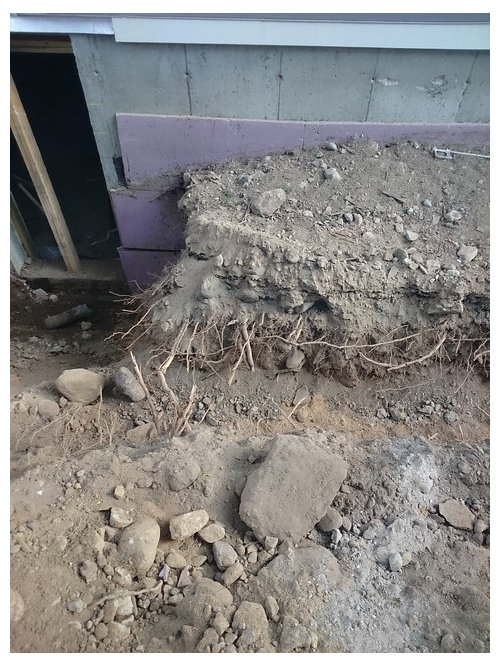
I am basically at a sticky situation. I have a 39" DBH co-domaiant Norway Maple Tree in my backyard and it is about 8 feet away from the foundation of my house. This tree is huge; It is taller than my house and the shades that the tree provides can cover my house during the summer.

However, the location of this tree is on the property line between my house and my neighbor's house. My neighbor decided to have a reconstruction for his house. The construction company used heavy machinery to dig up the ground and damaged the root of the tree. On top of that, my neighbor is also planning to put a stone wall around the tree which makes me question the safety of this tree.

I have a few questions:
#1: Is this tree still safe?
#2: How deep does the tree root usually go into the ground for Norway Maple tree? How far does the root usually spread?
#3: If I decide to remove the tree, should I remove the stump as well? What would be the reason(s) to remove the stump? I know it costs extra and that's why I am wondering
#4: Will the tree removal damage the house foundation? It is pretty close to my house and I am afraid that the tree roots will die following the tree removal and ultimately damaging the house foundation.

I have attached a picture of the damages of the tree roots.

Comments (6)

  • 12 years ago

    Contact a Certified Arborist or two for an onsite evaluation. Look for one qualified to evaluate potentially hazardous tree.

    It's likely to be worth the effort to document the damage in images and report from the arborist.

  • 12 years ago

    As long as only small roots like those in the picture are hurt, it don't have to be a problem.

  • 12 years ago

    Laws vary from state to state, but in much of New England trees located close to property boundaries are known as "line trees" and are considered to belong to both property owners.

    The roots of a Norway maple are extensive and usually extend well beyond the tree's canopy. Eight feet is awfully close to the foundation and house for a tree of this size. A poured monolithic foundation is quite resistant to any root penetration, but it's a very different story with block foundations and (especially) stone ones. A root with the diameter of a hair can penetrate through a very narrow opening and then gradually increase in diameter enough cause damage.

    jean001a's suggestion is a good one. The damage done to the roots by the neighbor's construction may well have created a dangerous situation for both you and your neighbor. Since you are very likely co-owners of the tree, you are equally responsible - including financially responsible - for removing the tree if that is the recommendation of a qualified arborist. Again, check your state laws on this.

    Stump grinding is usually a pretty minor expense compared to taking down a large tree in a location that requires lots of care to avoid damage to buildings, etc. Unless the roots have already penetrated the foundation, I don't see any way removing the stump would cause damage to it.

  • 12 years ago

    Question is... How do you determine did the tree damage the foundation?

    I am most likely going to remove the tree but I am scare that by removing the tree, the roots that are around will die and cost some damage to the foundation for not balancing it.

    I did research and it seems like Norway maple's roots are usually shallow but I am still a little bit concern of what the consequence might be if there are roots that is already next to my house and die.

    What does stump grinding provide in this situation? Does it remove all the roots that are potentially damaging my house foundation?

  • 12 years ago

    As roots die, they decompose and yes, this can result in settling of soil in that immediate area. But I really don't see this as a huge deal-we take trees down every day in this country and you don't hear much about resulting settling/damage in subsequent years.

    All tree roots tend to be more shallow than some folks think. Maples may well be at the top of the list for root shallowness, but this is really characteristic of most trees in most situations. Where soils are heavy, either due to clay content, being compacted, or other reason, roots will have an even greater difficulty getting down deeply into the soil. Tree roots, like all plants, need oxygen. That's the primary reason why we don't find a lot of roots at depth.

    Whether or not to remove the stump is purely your call-and that of the neighbor, if this tree is joint ownership, as it does sound like it is. I removed the largest silver maple in my city a few years back-a truly enormous thing. When we dropped the stub, I made sure to make the final cut high-about waist height-so that I could hollow it out and plant flowering stuff in it. To say this has worked well would be an extreme understatement. But that's just something I wanted to do. Either get the stump ground out or don't-it's really a small part of this issue.

    +oM

  • 12 years ago

    TreeNoobie, can you post a picture of the whole area and the tree?

    I agree with the above advice. Just for curiosity's sake and so the next guy who has this problem can see your situation and the resolution. I'd love to get updates from you as well with what the arborists says and estimates.