

Nut trees
15 years ago
Featured Answer
Sort by:Oldest
Comments (13)
 15 years ago
- 15 years ago
Related Professionals
Covington Landscape Architects & Landscape Designers · Zanesville Landscape Architects & Landscape Designers · Manchester Landscape Architects & Landscape Designers · Hot Springs Landscape Contractors · Natchitoches Landscape Contractors · Waterbury Landscape Contractors · Olean Landscape Contractors · Bridgeport Landscape Contractors · Covington Home Additions · Dallas Home Additions · Middletown Home Additions · Barnstable Home Additions · Gloucester Home Additions · Kenosha Home Additions · Helena Home Additions- 15 years ago
 15 years ago
- 15 years ago
- 15 years ago
 15 years ago
- 15 years ago
- 15 years ago
- 15 years ago
- 15 years ago
- 15 years ago
Related Stories

GARDENING GUIDESTree Care: Common Tree Diseases and What to Do About Them
Learn to recognize trees that may be affected by diseases or pests so you can quickly take action
Full Story
TREESGreat Design Plant: Pinyon Pine
You might just go nuts for this tough evergreen native to the Western U.S.
Full Story
GARDENING GUIDESWhen and How to Plant a Tree, and Why You Should
Trees add beauty while benefiting the environment. Learn the right way to plant one
Full Story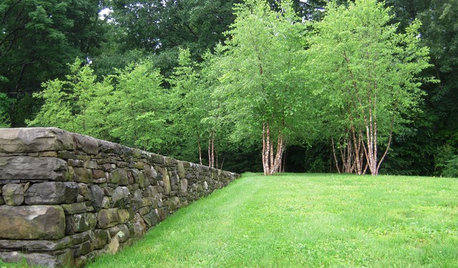
LANDSCAPE DESIGNFlood-Tolerant Native Trees for Soggy Soil
Swampy sites, floodplains, even standing water ... if you've got a soggy landscape, these trees are for you
Full Story
HOLIDAYSChristmas Tree Decorating the Painless Way
Holidays are for carols, not cussing. Make tree trimming less work and more fun with this guide at your side
Full Story
FALL GARDENING6 Trees You'll Fall For
Don’t put down that spade! Autumn is the perfect time for planting these trees
Full Story
CRAFTS7 Ways to Upcycle a Fallen Tree
When a tree falls, turn its branches into rustic toys, accessories and holiday décor
Full Story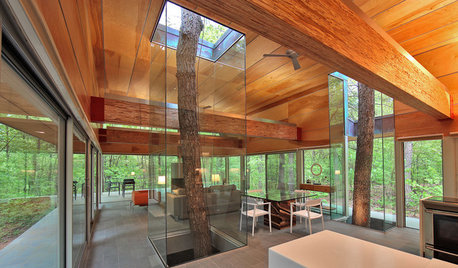
DECORATING GUIDES10 Tree-Hugging Interiors That Work Around Nature
Bursting up through the floor, planted in an indoor patio or potted in any room you choose, trees bring an elegance that's organic
Full Story
LIFETurn Off the Video Games and Turn On Your Kid's Creativity
Going nuts planning summer activities? Kids overdosing on screen time? It may be time to foster more self-directed play
Full Story


Toronado3800 Zone 6 St Louis