

recommendation for tree ID book
13 years ago
Sort by:Oldest
Comments (8)
Related Stories
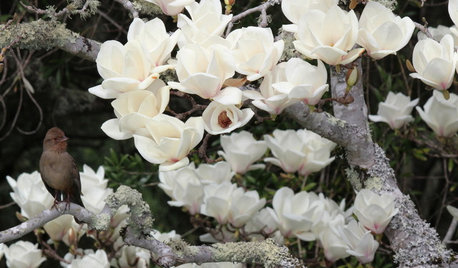
SPRING GARDENING7 Spectacular and Practical Spring-Flowering Trees
Put on a beauteous show in the garden with a landscape tree awash in flowers — just do your homework first
Full Story

GARDENING GUIDESHow to Keep Your Citrus Trees Well Fed and Healthy
Ripe for some citrus fertilizer know-how? This mini guide will help your lemon, orange and grapefruit trees flourish
Full Story
LANDSCAPE DESIGN8 Reasons to Plant a Great Tree
Beauty is its own reward, but the benefits of planting the right tree in the right place go way beyond looks
Full Story
LANDSCAPE DESIGNPretty Trees for Patios, Paths and Other Tight Spots
Choose trees for their size, shape and rate of growth — or shape them to fit your space. Here's how to get started
Full Story
HOLIDAYSHouzz Call: Show Us Your Christmas Tree!
How lovely are your branches? Post a picture and share your stories
Full Story
GARDENING GUIDESGrow Your Own Privacy: How to Screen With Plants and Trees
Use living walls to lower your home and garden's exposure while boosting natural beauty in your landscape
Full Story
HOUZZ TOURSMy Houzz: A Reclaimed Wood House Rises From the Trees
Scorched siding, thoughtfully repurposed furnishings and a connection to both family and nature shine in this designer's new build
Full Story
CONTEMPORARY HOMESHouzz Tour: Stunning Curved Architecture Rises Among the Trees
You can see the love of nature and organic shapes at first glance. Look more closely at this Wisconsin home and you’ll also see amazing flow
Full Story
TREE HOUSESSwaying From Sleepovers to Dinner Parties in a Colorado Tree House
Folks of all ages have it made in the shade in this fun little house, thanks to electricity, a kitchenette and a rooftop deck
Full Story

rhizo_1 (North AL) zone 7
nandina
Related Professionals
Fort Dodge Landscape Architects & Landscape Designers · Winona Landscape Architects & Landscape Designers · Montréal Landscape Architects & Landscape Designers · Selma Landscape Contractors · Palm Bay Landscape Contractors · Sebring Landscape Contractors · Ashland Landscape Contractors · Cincinnati Landscape Contractors · Marietta Landscape Contractors · Amherst Landscape Contractors · Hempstead Landscape Contractors · Salt Lake City Landscape Contractors · Poplar Bluff Home Additions · Longview Home Additions · Huntington Home Additionslisanti07028Original Author
Embothrium
nandina
lisanti07028Original Author
nandina
lisanti07028Original Author