

Another Ceanothus question
17 years ago
Sort by:Oldest
Comments (8)
Related Stories
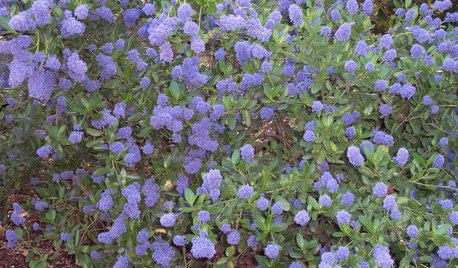
GARDENING GUIDESGreat Design Plant: Ceanothus Pleases With Nectar and Fragrant Blooms
West Coast natives: The blue flowers of drought-tolerant ceanothus draw the eye and help support local wildlife too
Full Story
REMODELING GUIDES9 Hard Questions to Ask When Shopping for Stone
Learn all about stone sizes, cracks, color issues and more so problems don't chip away at your design happiness later
Full Story
ORGANIZINGPre-Storage Checklist: 10 Questions to Ask Yourself Before You Store
Wait, stop. Do you really need to keep that item you’re about to put into storage?
Full Story
KITCHEN DESIGN9 Questions to Ask When Planning a Kitchen Pantry
Avoid blunders and get the storage space and layout you need by asking these questions before you begin
Full Story
SELLING YOUR HOUSE15 Questions to Ask When Interviewing a Real Estate Agent
Here’s what you should find out before selecting an agent to sell your home
Full Story
REMODELING GUIDES13 Essential Questions to Ask Yourself Before Tackling a Renovation
No one knows you better than yourself, so to get the remodel you truly want, consider these questions first
Full Story
WORKING WITH PROS12 Questions Your Interior Designer Should Ask You
The best decorators aren’t dictators — and they’re not mind readers either. To understand your tastes, they need this essential info
Full Story
REMODELING GUIDESConsidering a Fixer-Upper? 15 Questions to Ask First
Learn about the hidden costs and treasures of older homes to avoid budget surprises and accidentally tossing valuable features
Full Story
REMODELING GUIDESSurvive Your Home Remodel: 11 Must-Ask Questions
Plan ahead to keep minor hassles from turning into major headaches during an extensive renovation
Full Story
DOORS5 Questions to Ask Before Installing a Barn Door
Find out whether that barn door you love is the right solution for your space
Full Story
skrip
calistoga_al ca 15 usda 9
Related Professionals
Georgetown Landscape Architects & Landscape Designers · San Antonio Landscape Architects & Landscape Designers · Manhattan Landscape Architects & Landscape Designers · Bend Landscape Architects & Landscape Designers · Cumberland Landscape Contractors · College Station Landscape Contractors · Killeen Landscape Contractors · Lawrence Landscape Contractors · Cornwall Landscape Contractors · Hot Springs Architects & Building Designers · Laredo Architects & Building Designers · Fort Wayne Architects & Building Designers · Concord Architects & Building Designers · Mission Viejo Architects & Building Designers · Salem Architects & Building Designerswanda
gobluedjm 9/18 CAOriginal Author
User
hoovb zone 9 sunset 23
gobluedjm 9/18 CAOriginal Author
tressa