

On-spot seed germination
16 years ago
Sort by:Oldest
Comment (1)
Related Stories
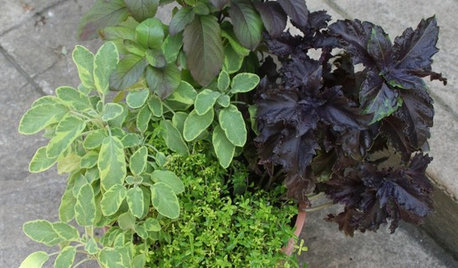
CONTAINER GARDENS8 Easy Container Plants to Grow From Seed
Get beautiful blooms and herbs in summer by starting these choice garden picks from seed in spring
Full Story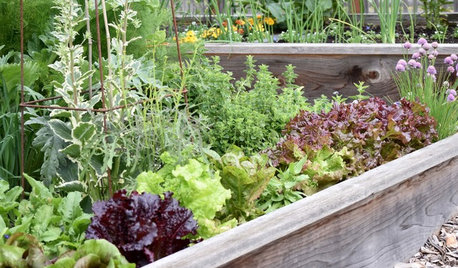
GARDENING GUIDESSeeds or Seedlings? How to Get Your Garden Started
Growing delicious herbs and vegetables starts with knowing your goals and when you want to plant
Full Story
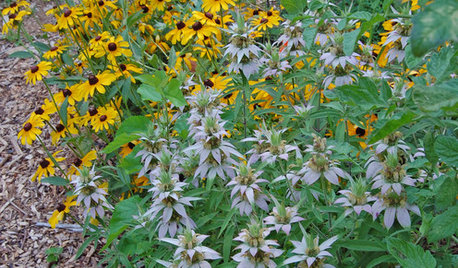
GARDENING GUIDESGreat Design Plant: Spotted Beebalm (Monarda punctata)
Looking for unusual, long-lasting blooms, low maintenance and deer resistance? Try this self-sowing perennial
Full Story
GARDENING GUIDESHow to Fix Bare and Yellow Lawn Spots
Restore your turf’s good looks by reseeding unsightly patches
Full Story
GARDENING GUIDESGreat Design Plant: Verbena Stricta Tolerates Tough Spots
With its subtle beauty and long-lasting flowers, this pollinator pleaser is a boon to wilder areas
Full Story
GARDENING GUIDESHow to Plant a New Lawn From Seed
Choose from more grass varieties and save money over sod by starting your lawn from seed
Full Story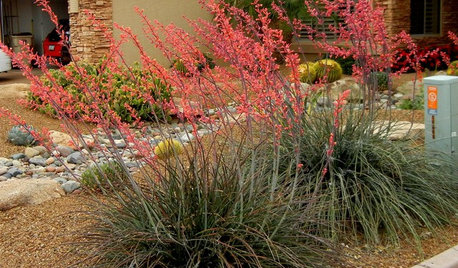
GARDENING FOR BUTTERFLIESGreat Design Plant: Red Yucca Spikes Dry Spots With Color
Neither heat nor cold nor lack of water fazes this flowering succulent, which adds spiky texture to Southwestern landscapes
Full Story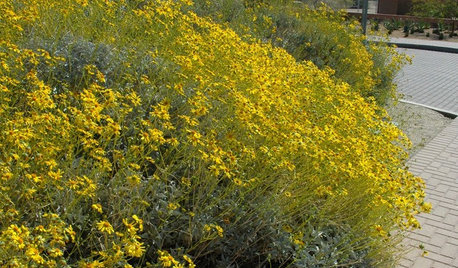
GARDENING GUIDESGreat Design Plant: Brittlebush Brightens Rocky, Dry Spots
Masses of cheerful golden flowers belie the tough nature of this highly drought-tolerant shrub
Full Story
GARDENING GUIDES6 Native Ground Covers for Tough, Dry Spots
Sun beating down on your sandy gravel? Thick shade darkening your clay soil? There’s a ground cover here for you
Full Story

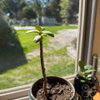
caudex1
Related Professionals
Dover Landscape Architects & Landscape Designers · Brainerd Landscape Architects & Landscape Designers · Clearlake Landscape Architects & Landscape Designers · Crestview Landscape Contractors · Kissimmee Landscape Contractors · Coldwater Landscape Contractors · Flagstaff Landscape Contractors · Ontario Landscape Contractors · Honolulu Landscape Contractors · Athens General Contractors · Elgin General Contractors · Gary General Contractors · Bridgeport General Contractors · San Diego General Contractors · Coos Bay General Contractors