

Great Stapelia flower
18 years ago
Sort by:Oldest
Comments (9)
Related Stories
GARDENING GUIDES9 Clay-Busting Native Flowers for Summer Sun
These plants survive and even thrive in tough clay soil east of the Rocky Mountains
Full Story
NATIVE PLANTSPlant These Fall-Flowering Natives in Early Summer for Pollinator Love
These 3 groups of plants will support masses of beneficial insects come autumn
Full Story
GARDENING GUIDESGreat Design Plant: Showers Bring Zephyranthes Flowers
Plant zephyrlily bulbs now for lovely blooms amid grassy foliage in summer and fall
Full Story
GARDENING FOR BUTTERFLIESGreat Native Plant: Pasque Flower
Get ahead with this early-blooming perennial, which has an unusual feature you've got to feel for yourself
Full Story
FLOWERSGreat Design Plant: Fringe Flower's Star Rises
Thank plant breeders for all the exciting new variations of this useful and easygoing flowering shrub
Full Story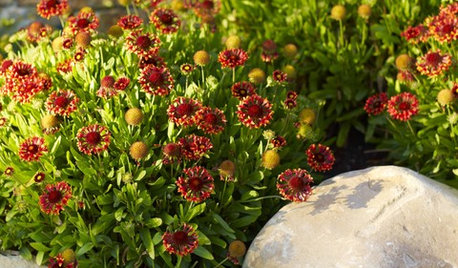
GARDENING FOR BUTTERFLIESGreat Design Plant: Blanket Flower Brings Year-Round Cheer
It's irresistible to wildlife, but this wildflower's drought tolerance, copious blooms and versatility draw human fans too
Full Story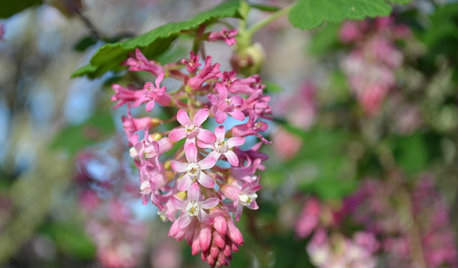
GARDENING GUIDESGreat Design Plant: Feed Wildlife With Flowering Currant
Blossoms and berries make this plant irresistible to birds, bees and other critters — and a treat for the eyes too
Full Story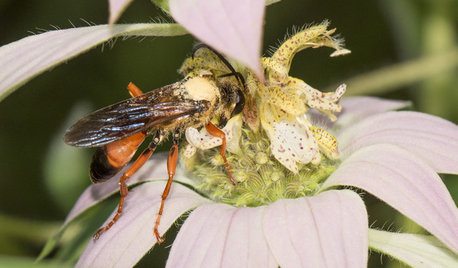
GARDENING GUIDESGreat Golden Digger Wasp: A Beneficial Flower-Visiting Insect
Introducing the great golden digger wasp, a colorful pollinator that also hunts foliage-eating insects
Full Story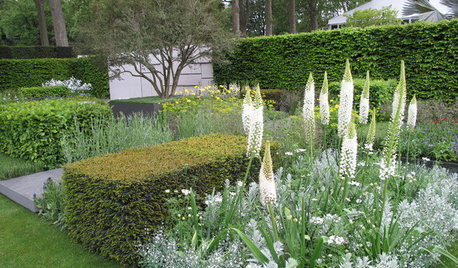
GARDENING GUIDESGreat Garden Ideas From the 2015 Chelsea Flower Show
Peruse inspiring plants, plant combinations and design ideas from London’s famed garden exhibition
Full Story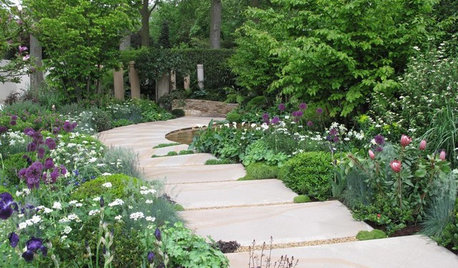
GARDENING GUIDESGreat Outdoor Living Ideas From the 2015 Chelsea Flower Show
The London garden exhibition has winning design concepts to borrow for your own backyard spaces
Full Story

gardenbear1
elsier
Related Professionals
Fort Wayne Landscape Architects & Landscape Designers · Coeur d'Alene Landscape Architects & Landscape Designers · Wenatchee Landscape Architects & Landscape Designers · Gainesville Landscape Contractors · Oklahoma City Landscape Contractors · Rockford Landscape Contractors · Canton Landscape Contractors · Westerly Landscape Contractors · Wausau Landscape Contractors · Danville General Contractors · Manchester General Contractors · Milwaukee General Contractors · Superior General Contractors · Show Low General Contractors · Roswell General Contractorsdebbysunshine
mark4321_gw
joscienceOriginal Author
joscienceOriginal Author
xerophyte NYC
mark4321_gw
joscienceOriginal Author