

Collecting juniper cones
16 years ago
Featured Answer
Sort by:Oldest
Comments (11)
 16 years ago
- 16 years ago
Related Professionals
Jacksonville Landscape Architects & Landscape Designers · Ardmore Landscape Architects & Landscape Designers · Killeen Landscape Architects & Landscape Designers · Longview Landscape Architects & Landscape Designers · Portland Landscape Architects & Landscape Designers · Montrose Landscape Architects & Landscape Designers · Leamington Landscape Architects & Landscape Designers · Fayetteville Landscape Contractors · Dayton Landscape Contractors · Stamford Landscape Contractors · Minneapolis Landscape Contractors · San Francisco Landscape Contractors · Bozeman Landscape Contractors · Memphis Home Builders · Amherstburg Home Builders- 16 years ago
- 16 years ago
- 16 years ago
- 16 years ago
- 16 years ago
- 16 years ago
- 16 years ago
- 16 years ago
Related Stories
Pine Cones: Not Just for Christmas
These natural treasures from the trees testify to Mother Nature's eye for great design
Full Story
CHRISTMASQuick and Easy Christmas Decor With Greens, Wreaths and Pine Cones
When you're short on time, focus on the basics to make your house festive and fragrant
Full Story
HOLIDAYSCollecting Christmas Ornaments That Speak to the Heart
Crafted by hand, bought on vacation or even dug out of the discount bin, ornaments can make for a special holiday tradition
Full Story
HOUZZ TOURSMy Houzz: Collected and Creative Appeal in Tampa
Scores of DIY pieces and gathered treasures give a Florida home a happily bohemian look
Full Story
HOUZZ TOURSMy Houzz: A Vibrant Makeover for a Melbourne Apartment
Collected midcentury pieces and personal objects help a designer transform her 1960s rental into a friendly, colorful home
Full Story
HOUZZ TOURSMy Houzz: Creativity and Color Play in an 1890 Mississippi Home
This 2-bedroom home showcases an array of well-curated vintage accessories, unique collections and chic modern finds
Full Story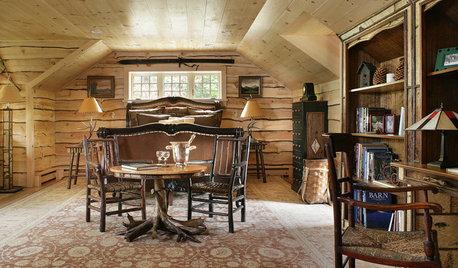
RUSTIC STYLEHouzz Tour: An Adirondack-Inspired Guest Suite in New Jersey
A new guest suite above the garage provides a showcase for a family’s lodgeworthy furniture collection
Full Story
GARDENING AND LANDSCAPINGVertical Gardens Raise the Limits for Landscapes
Turn a small garden space into a towering success with an upward-bound collection of edible delights
Full Story
CHRISTMASMake a Long-Lasting Eucalyptus Holiday Wreath
Greens full of fragrance will keep your front door in the Christmas spirit for weeks
Full Story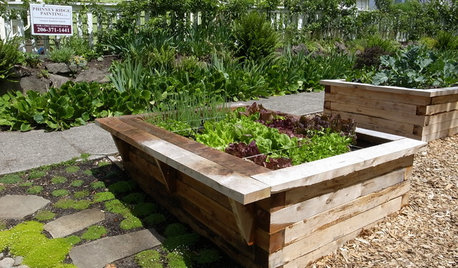
FARM YOUR YARDHow to Build a Raised Bed for Your Veggies and Plants
Whether you’re farming your parking strip or beautifying your backyard, a planting box you make yourself can come in mighty handy
Full Story
naturegirl_2007 5B SW Michigan