

'winter growers'
15 years ago
Sort by:Oldest
Comments (8)

Related Stories
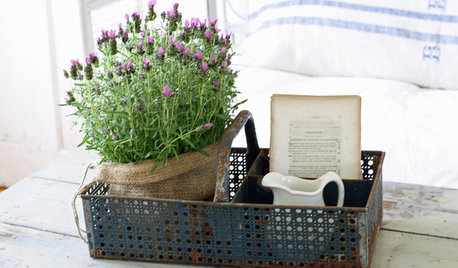
HOUSEPLANTSOutsmart Winter — Make Houseplants of Your Garden Growers
No need to watch Jack Frost play Wreck the Rosemary. Bring your garden inside for the winter, using containers and these guidelines
Full Story
HOUSEPLANTSGet Spring-Like Hyacinth Blooms All Winter Long
Try one of these forcing methods for cheery, colorful flowers to brighten wintry days
Full Story
GARDENING GUIDESGreat Design Plant: Kumquats for a Juiced-Up Winter
Grow it for the edible fruit or its good looks alone. This citrus cousin will brighten any gray winter day
Full Story
GARDENING GUIDESGarden Myths to Debunk as You Dig This Fall and Rest Over Winter
Termites hate wood mulch, don’t amend soil for trees, avoid gravel in planters — and more nuggets of garden wisdom
Full Story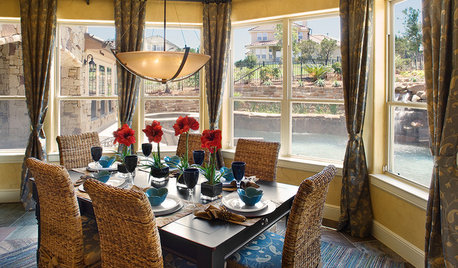
HOUSEPLANTSHow to Force Amaryllis Bulbs Indoors
Enjoy vibrant red blossoms even as gardens turn snowy white, by teaching this hardy repeat performer to ignore the calendar
Full Story
GARDENING GUIDESGreat Design Plant: Golden Alexanders for Early Spring Color
Get sunny flowers while other garden growers are still asleep, with this adaptable prairie plant beloved by butterflies
Full Story
WINTER GARDENINGPruning Secrets for Exquisite Roses
Encourage gorgeous blooms year after year with this time-tested advice on how to prune your rosebush in winter for health and shape
Full Story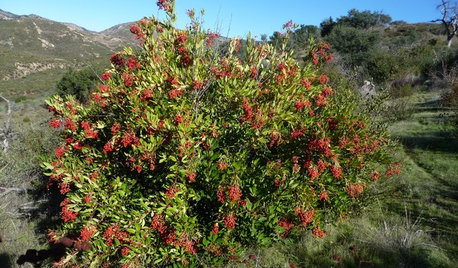
WINTER GARDENINGGreat Design Plant: Toyon
Grow this fuss-free California native for beautiful winter color indoors and out
Full Story
GARDENING GUIDESGet a Head Start on Planning Your Garden Even if It’s Snowing
Reviewing what you grew last year now will pay off when it’s time to head outside
Full Story
GARDENING GUIDESGreat Design Plant: Try California Wild Grape for Interest All Year
Sure, it’s stunning in fall. But the spring buds, summer grapes and gnarled winter vines are gorgeous too
Full Story

TT, zone 5b MA
User
Related Professionals
Beaumont Landscape Architects & Landscape Designers · Auburn Landscape Architects & Landscape Designers · Worcester Landscape Architects & Landscape Designers · Platteville Landscape Architects & Landscape Designers · Tacoma Landscape Architects & Landscape Designers · Coos Bay Landscape Contractors · St. Louis General Contractors · Meridian General Contractors · Charlotte General Contractors · Elizabeth City General Contractors · Orangeburg General Contractors · Longview General Contractors · Davenport General Contractors · Tacoma General Contractors · Sarnia General Contractorscrassula
norma_2006
penfold2
cactusmcharris, interior BC Z4/5
cactusmcharris, interior BC Z4/5
xerophyte NYCOriginal Author