

Bonide Root & Grow
11 years ago
Sort by:Oldest
Comments (5)

Related Stories

HOUZZ TOURSHouzz Tour: Georgia Peach Grows California Roots
Southern Glamour and Bay Views Combine in Lush San Francisco Home
Full Story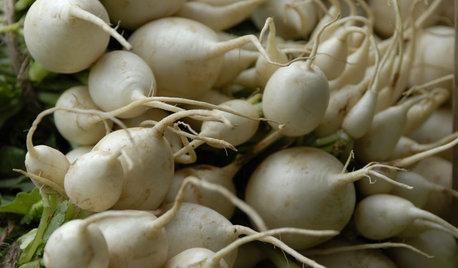
GARDENING GUIDESCool-Season Vegetables: How to Grow Turnips
Sweeter after a taste of frost, these often-overlooked root vegetables can be a surprisingly tasty part of your fall garden
Full Story0
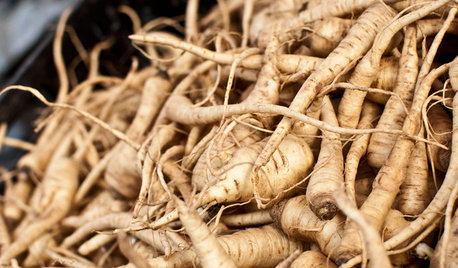
COOL-SEASON CROPSCool-Season Vegetables: How to Grow Parsnips
This unfairly maligned root vegetable is the ideal choice for a winter garden, sweetening with the frost and having a long storage life
Full Story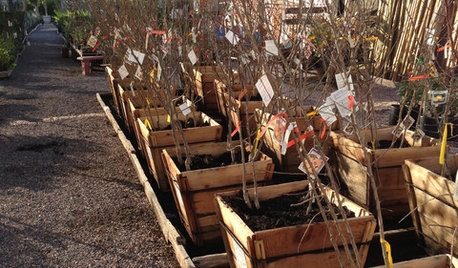
GARDENING GUIDESThe Beauty of Bare-Root Plants
Plant dormant trees and shrubs in fall using the easy, affordable bare-root method and enjoy beautiful results in spring
Full Story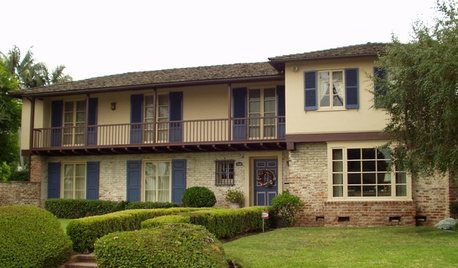
ARCHITECTURERoots of Style: Colonial Monterey Sets the Stage for Unique Design
French, Spanish and English features mix in enigmatic Monterey-style architecture. Here's how to recognize this type of home
Full Story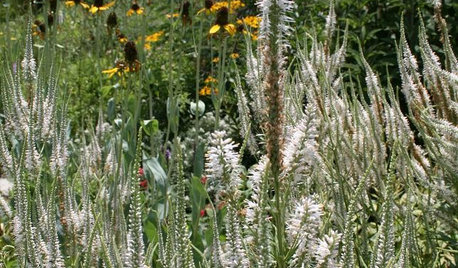
CENTRAL PLAINS GARDENINGGreat Design Plant: Culver's Root
Spiky summer blooms beloved by butterflies and architectural interest in winter make this Midwest native plant worth featuring in the garden
Full Story
HOUZZ TOURSMy Houzz: Highlighting Farmhouse Roots in a Seattle Suburb
New and old mix with DIY touches in a remodeled 1928 home for a family of 6
Full Story
GREEN BUILDINGLiving Roofs Put Down Roots
No longer solely the domain of hippies — or hobbits — a green roof can be a hardworking partner in making your house sustainable
Full Story
Rooting for Indoor Trees
Houseplants tend to get all the glory indoors, but trees deserve their place in the sun — and in your living room, your entryway, your ...
Full Story
FURNITUREWood Furniture Has Root Cause
Sustainability is just the beginning with Robin Wade's lovingly made 'rustic modern' wood furnishings
Full Story

cooperdr_gw
tapla (mid-Michigan, USDA z5b-6a)
Related Professionals
Indianapolis Landscape Architects & Landscape Designers · Bowling Green Landscape Architects & Landscape Designers · Hartford Landscape Architects & Landscape Designers · Chicago Landscape Architects & Landscape Designers · Portland Landscape Architects & Landscape Designers · Provo Landscape Architects & Landscape Designers · Wenatchee Landscape Architects & Landscape Designers · Burlington Landscape Contractors · Yuma Landscape Contractors · York Landscape Contractors · Cambridge General Contractors · Myrtle Beach General Contractors · Fresno General Contractors · Santa Rosa General Contractors · Victorville General ContractorsUser
tapla (mid-Michigan, USDA z5b-6a)
hookilauOriginal Author