

what exactly is considered warm/cold?
19 years ago
Sort by:Oldest
Comments (7)
Related Stories
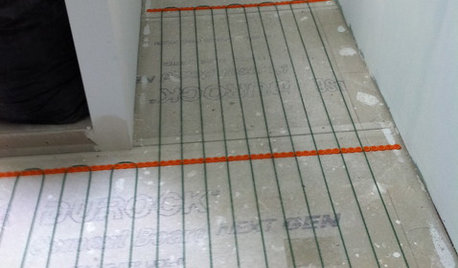
BATHROOM DESIGNWarm Up Your Bathroom With Heated Floors
If your bathroom floor is leaving you cold, try warming up to an electric heating system
Full Story
LIFEHouzz Call: How Are You Handling the Record-Breaking Cold?
Share your tales, strategies and photos for everything polar vortex
Full Story
DECORATING GUIDESRooms We Love: A Mountain Retreat Made for Cold Winter Nights
Ample linen and Ushak carpets put a contemporary twist on cozy Appalachian style in a North Carolina show house
Full Story
FLOORSWhat to Ask When Considering Heated Floors
These questions can help you decide if radiant floor heating is right for you — and what your options are
Full Story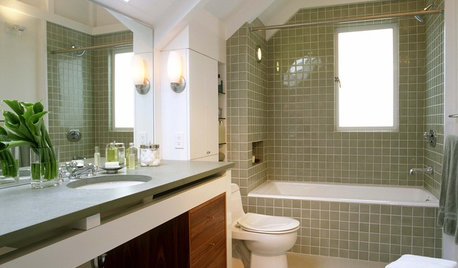
BATHROOM DESIGN12 Things to Consider for Your Bathroom Remodel
Maybe a tub doesn’t float your boat, but having no threshold is a no-brainer. These points to ponder will help you plan
Full Story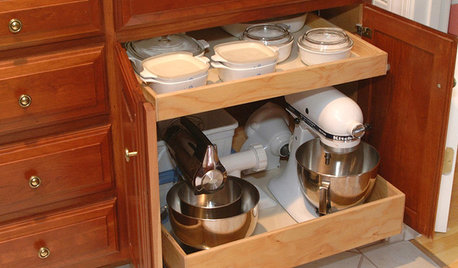
KITCHEN APPLIANCESConsidering a New Kitchen Gadget? Read This First
Save money, time and space by learning to separate the helpers from the hassles
Full Story
COLOR4 Hot Color Trends to Consider for 2013
Bring some zing to your rooms for the new year, with high-energy shades that open the eyes and awaken the spirit
Full Story
PATIOS10 Reasons to Consider a Sectional for Your Outdoor Space
Pull together your patio or deck with seating that's comfortable, casual and roomy
Full Story
EXTERIOR COLORExterior Color of the Week: 7 Ways With Warm Gray
See why this hue can be the perfect neutral for any house
Full Story

fred_grow
lalalulu8Original Author
Related Professionals
Albany Landscape Architects & Landscape Designers · Saint Marys Landscape Architects & Landscape Designers · Oshkosh Landscape Architects & Landscape Designers · Longview Landscape Architects & Landscape Designers · Evanston Landscape Architects & Landscape Designers · Lake City Landscape Contractors · Myrtle Beach Landscape Contractors · Brattleboro Landscape Contractors · Kingman Landscape Contractors · Chula Vista Landscape Contractors · Los Angeles Landscape Contractors · San Luis Obispo Landscape Contractors · Santa Maria Landscape Contractors · Starkville General Contractors · Carson City General Contractorsnorma_2006
shrubs_n_bulbs
norma_2006
socal23
lalalulu8Original Author