

Propagating Lavender
17 years ago
Sort by:Oldest
Comments (3)

Related Stories

GARDENING GUIDESRegal Lavender Rules Gardens Coast to Coast
Learn how to grow this fragrant, beautiful herb and show off its full beauty in the landscape
Full Story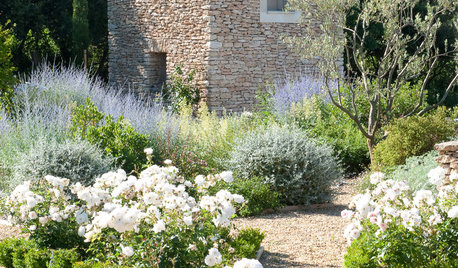
GARDEN STYLESLay of the Landscape: 12 Elements of Provence Garden Style
With their lavender fields, stone walls and meandering pathways, the gardens of Provence brim with charm and beauty
Full Story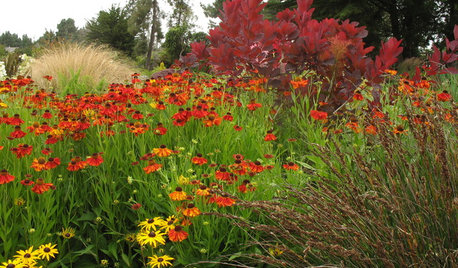
PLANTING IDEASWant a More Colorful, Natural Garden? Try a Perennial Meadow
Spend less time tending and more time taking in the sights by improving on Victorian and prairie garden designs
Full Story
SPRING GARDENINGTop 10 Scented Plants for Your Garden
A palette of perfumed plants can transform even the smallest of gardens into a sensory delight
Full Story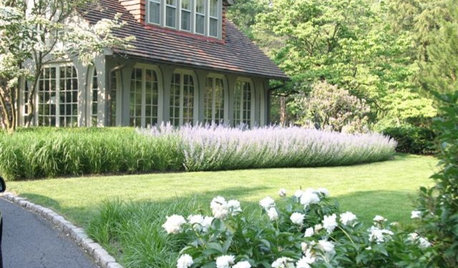
FLOWERSKeep Your Garden on Point With Spikes of Purple
Tall purple blooms bridge color gaps, contrast round flower forms and make for intriguing masses in the landscape
Full Story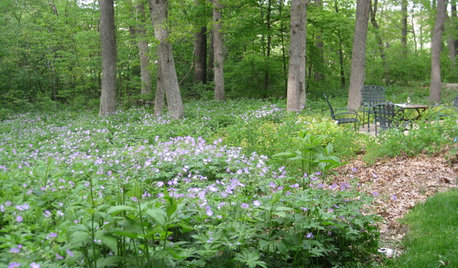
GARDENING GUIDESWe Bust 4 More Native Plant Myths
Have you been taken in by these fallacies about gardening with native plants?
Full Story
SAVING WATERHouzz Call: Are You Letting Go of Your Lawn?
Many facing a drought are swapping turf for less thirsty plantings. If you’re one of them, we’d like to hear about it
Full Story
GARDENING GUIDESGreat Garden Combo: 3 Wonderful Plants for a Deer-Resistant Screen
Protect your privacy and keep deer at bay with a planting trio that turns a problem garden area into a highlight
Full Story
GARDENING GUIDES6 Plants That Beat Butterfly Bush for the Wildlife Draw
It's invasive, a nonnative and a poor insect magnet. Check out these better alternatives to butterfly bush in the garden
Full Story
FOLIAGEGet a Cool Garden Look With Gray and Blue Plants
Looking for plants that calm with color in the heat of summer? Look no further than these 14 soothing beauties
Full Story
coing
Daisyduckworth
Related Professionals
Cincinnati Landscape Architects & Landscape Designers · Traverse City Landscape Architects & Landscape Designers · Salem Landscape Architects & Landscape Designers · Rapid City Landscape Architects & Landscape Designers · London Landscape Architects & Landscape Designers · Vicksburg Landscape Contractors · Fayetteville Landscape Contractors · Greenfield Landscape Contractors · Sheboygan Landscape Contractors · Salinas Landscape Contractors · Seattle Landscape Contractors · Belleville Architects & Building Designers · Joplin Architects & Building Designers · Richmond Architects & Building Designers · Dubuque Architects & Building Designersfrancescod