Software
Houzz Logo Print
juantia

how to use herbs

18 years ago

I don't use herbs very much. I do make salsa and started orango from seeds. Then I want crazy and added basil,tyme,rosemary and a few others. I have no ideal what to use them for or how to store them for later. Any suggestions?

Comments (4)

  • 18 years ago

    Blimey - the answer to that question can (and does!) fill volumes! Whole books have been written on the subject, and there are literally millions of websites out there devoted to the subject. There are culinary and medicinal (and other) uses for all the herbs you mention.

    Briefly, however:

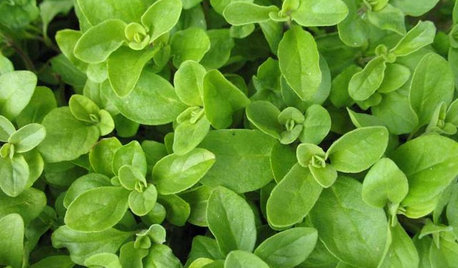
    Oregano goes with: Tomato sauce, egg/cheese combinations, breads, vegetables (especially squash, eggplant, tomatoes, beans, mushrooms, capsicum), meats, fish, chicken, pizza, pastas, Greek salads and sauces. Soups, stews, stuffings, sausage and pork. Good for the digestion, and is used to treat headache, insomnia, high blood pressure, cramps, menstrual pain, muscular and join pain, nausea. It is mildly sedative. Oregano and Marjoram can be used interchangeably in recipes and medicinally, although Oregano usually has a stronger flavour.

    Basil goes with: Italian, Mediterranean and Thai cuisines, especially pasta, meats, tomatoes, eggplant, zucchini, and onions, poultry, soups, eggs. Use with mackerel or shellfish, add chopped leaves of several varieties to salads. Good in soups and fish cocktails with crab and prawns. Goes well with veal, lamb, duck, and game. Used to treat acne, insect bites and stings, is good for colds and flu. Aids digestion, suppressed menstruation, concentration, respiratory problems, headaches, helps prevent vertigo, insomnia and will ease vomiting. It is also used as an effective insect repellent.

    Thyme goes with: Meats, sausages, fish, poultry, stews, butters, tomatoes, carrots, onions, potatoes, beans and other vegetables. Good with strong flavoured fish, beef, pork and egg dishes. Also good added boiled or steamed cabbage. Ingredient in bouquet garni. Thyme is antifungal and antiseptic. It is used to treat respiratory problems, intestinal worms, bites and stings, rheumatic and menstrual pain. It is good for the digestion, fever, sore throats, fatigue, depression, the circulation and is breath freshening and antiseptic. Thyme tea is a good disinfectant.

    Rosemary goes with: Meats, poultry, fish, potatoes, spinach and other vegetables. Use fresh or dried to season, potatoes, sauces, breads. Fruit compotes, chicken and pea soups. Good for the circulation, to stimulate hair growth and prevent dandruff. It is used to treat epilepsy, muscle pains, vertigo, headaches, digestive problems, to improve the circulation, and mild depression. It stimulates the adrenal glands, is toning, invigorating and insect repellent.

    As for storing herbs - they can be dried or frozen or used fresh.

    I suggest you do some browsing of this forum, and in your local library, and on the internet.

  • 18 years ago

    Yes, I also suggest you start looking at some recipe books for ways to use these herbs. For me, thyme and rosemary, as well as garlic were all picked fresh and chopped finly, then I added butter and olive oil. The whole mixture was done in a small food processor. What you end up with is a very nice herbed butter which is great spread on Italian bread, frozen into small cubes, stuffed under the skin of chicken or turkey. I also make sausages and use rosemary, sage, oregano, thyme, basil, as well as several others. In most cases I dry my extra herbs, place in a home canning jar with a metal lid, and pull a vacuum on it using a Food Saver machine and their canning jar adaptor. The vacuum created helps to hold the metal lid in place. I have some dried dill weed, two years ago, in two quart jars, and its still as bright green and as well flavored as if it were done last week. The BEST way to dry herbs is in a dehydrator. The quicker they dry, the more flavor, color, and smell they retain.

  • 18 years ago

    Juantia-

    I'm like you and love the growing of herbs, but am not quite branched out in the using of herbs as yet.
    However last year one dish I made up was a chunky pasta/pizza sauce.

    I forget the proportions right now, but it was basically equal portions (I think it was 1 cup each chopped)
    basil and oregano (I used cuban oregano, but I bet regular would work well too)
    It also contained garlic, chives, and sage
    I would have used thyme and parsley too, but I wasn't growing those yet.
    plus a can or two of tomato sauce.

    I had meat & other toppings for a pizza, but the sauce was so good that the group I was cooking for vetoed everything except the cheese.

    Another thing that I am still playing with is
    olive oil + cuban oregano, chives, garlic, (or whatever looks tasty) and parmesan cheese and maybe pepper
    for a bread dip
    I love it, but my husband complains that he'd be fine if I skipped the 'green stuff' and just stuck to cheese and oil.
    so that one is still in the works until I can get hubby approval.

  • 18 years ago

    You have gotten just super advice, Juantia.

    Your herbs are some of the primary ones that we use in meal preparation:
    Rosemary - roast beef and salmon
    Oregano & Basil - pasta sauces
    Basil - Oriental noodle soup and stir-fry

    I also use a lot of my herbs in herbal teas (or, "tisane," an herbal infusion made from anything other than the leaves of the tea bush, Camellia sinensis) and must go thru pounds of the stuff. Processing starts off with cutting, rinsing, and then hanging in the kitchen. Once the herbs are dried they can go in bags. Favorites for tea are lemon verbena, catnip, anise hyssop, Korean mint, spearmint, and chamomile.

    Steve's digits