

????about sugar ... for the gurus
19 years ago
Sort by:Oldest
Comments (5)
Related Stories
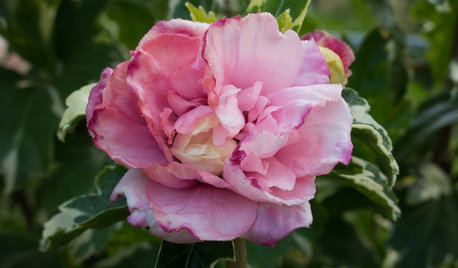
GARDENING GUIDESGreat Design Plant: Hibiscus Syriacus ‘Sugar Tip’
As pretty as a party dress, ‘Sugar Tip’ has layers of pink that catch the eyes of butterflies
Full Story
COLOR8 Pink and Purple Rooms Sans Sugar Shock
Little-girl dreams find grown-up expression in rooms that work pink and purple into chic and sophisticated palettes
Full Story
GARDENING GUIDESBigtooth Maple, the West’s Native Sugar Maple
Plant Acer grandidentatum for cool shade, brilliant autumn colors and songbird habitat
Full Story
KITCHEN DESIGNHouzz Call: Tell Us About Your First Kitchen
Great or godforsaken? Ragtag or refined? We want to hear about your younger self’s cooking space
Full Story
FUN HOUZZHouzz Call: Tell Us About Your Dream House
Let your home fantasy loose — the sky's the limit, and we want to hear all about it
Full Story
KITCHEN DESIGNKitchen of the Week: Making Over a Rental for About $1,500
Fresh paint, new hardware, added storage, rugs and unexpected touches breathe new life into a Los Angeles apartment’s kitchen
Full Story
PETSWhat Chihuahuas Can Teach Us About Interior Design
Who knew these tiny dogs could be such a huge fount of design tips? Houzzers did
Full Story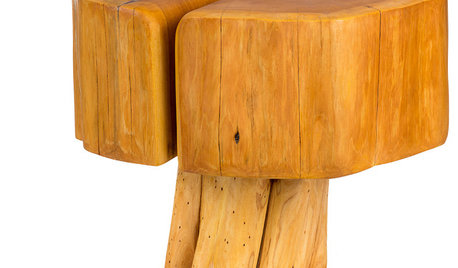
PRODUCT PICKSGuest Picks: Beautiful Things You Can Feel Good About Buying
Upcycled, ecofriendly or just made responsibly, these home accessories and furniture pieces will keep your conscience clear
Full Story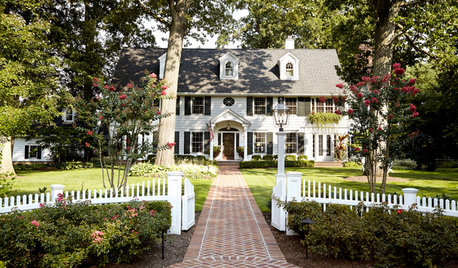
DECORATING GUIDESHouzz Tour: Much to Like About This Traditional Beauty
New elements mix well with old in a New Jersey family’s elegant and comfortable colonial revival home
Full Story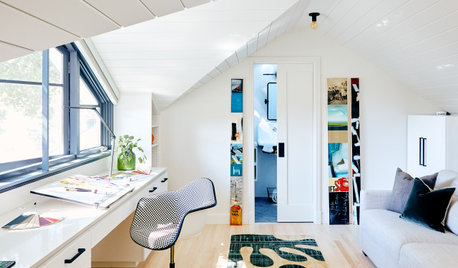
WORKING WITH PROSWhat to Know About Concept Design to Get the Landscape You Want
Learn how landscape architects approach the first phase of design — and how to offer feedback for a better result
Full Story
readinglady
kayskatsOriginal Author
Related Professionals
Murrieta Landscape Architects & Landscape Designers · Tacoma Landscape Architects & Landscape Designers · Louisville Landscape Contractors · Columbia Landscape Contractors · Waco Landscape Contractors · Toledo Landscape Contractors · Belleville Home Builders · Bartlesville Home Builders · Laredo Home Builders · Petersburg Home Builders · Alpena Home Builders · Saginaw Home Builders · Traverse City Home Builders · Grand Forks Home Builders · Twin Falls Home Buildersreadinglady
ksrogers
andy9999