

English Thyme
20 years ago
Sort by:Oldest
Comments (2)
Related Stories

EDIBLE GARDENSHerb Garden Essentials: How to Grow Thyme
Common thyme and its flavorful cousins are anything but ordinary in the garden
Full Story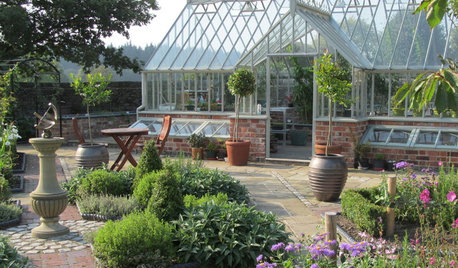
GARDENING GUIDESWindy English Plot Becomes a Kitchen Garden
A garden in Derbyshire’s Peak District combines practical elements and beautiful design
Full Story
GARDENING GUIDESGreat Design Plant: Strawberries for All Seasons
An edible carpet? It's possible with a mass planting of this tough ground cover
Full Story
BATHROOM DESIGNDream Bathroom to Your Bathroom: Translate the Look
You don't need a major bathroom makeover to get that designer look — minor accents and tweaks can convey luxe style
Full Story
LANDSCAPE DESIGNWhy the Art of Restraint Is So Good for Your Garden
Drifts of naturalized plantings offer the perfect inspiration for your home landscape
Full Story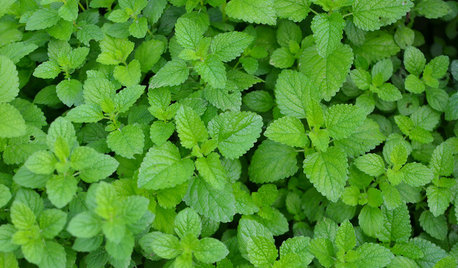
EDIBLE GARDENS12 Essential Herbs for Your Edible Garden
Make home cooking and drinks even better with herbs plucked from your own backyard or windowsill pot
Full Story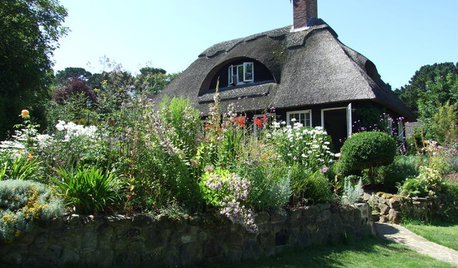
LANDSCAPE DESIGNHow to Create a Cottage-Style Garden
If you like an abundance of plants — and visits from birds, bees and butterflies — this may be the style of yard for you
Full Story
GREEN BUILDINGWorld of Design: The Joy of Moss and Its Modern Uses
This great design plant is 400 million years in the making. See how it’s inspiring art, soothing spaces and building design
Full Story
FARM YOUR YARDIf You Have Room for Only One Summer Crop ...
Get an edible that’s long on flavor even if you’re short on space, with a long-time gardener’s favorite picks
Full Story
LANDSCAPE DESIGN15 Great Ideas for a Lawn-Free Yard
End the turf war for good with hardscaping, native grasses and ground covers that save water and are easier to maintain
Full Story
Heathen1
gborosteveOriginal Author
Related Professionals
Frisco Landscape Architects & Landscape Designers · Augusta Landscape Architects & Landscape Designers · Pueblo Landscape Architects & Landscape Designers · Williamsport Landscape Contractors · Seattle Landscape Contractors · Sarnia Landscape Contractors · York Landscape Contractors · Sarasota Architects & Building Designers · Quincy Architects & Building Designers · Gulfport Architects & Building Designers · Starkville Architects & Building Designers · Duluth Architects & Building Designers · South Sioux City Architects & Building Designers · Trenton Architects & Building Designers · Poughkeepsie Architects & Building Designers