

Basil diagnosis help!
17 years ago
Sort by:Oldest
Comments (7)
Related Stories

UNIVERSAL DESIGNMy Houzz: Universal Design Helps an 8-Year-Old Feel at Home
An innovative sensory room, wide doors and hallways, and other thoughtful design moves make this Canadian home work for the whole family
Full Story
SUMMER GARDENINGHow to Grow Basil
Bright color, quick growth and endless uses for cooking make this summer annual a winner in the garden or a pot
Full Story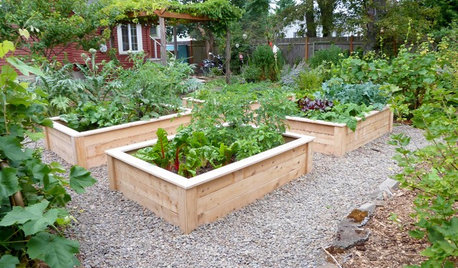
GARDENING GUIDES12 Tips to Help You Start an Edible Garden
Get on your way to growing your own vegetables with a raised bed or a few containers on the patio
Full Story
REMODELING GUIDES8 Tips to Help You Live in Harmony With Your Neighbors
Privacy and space can be hard to find in urban areas, but these ideas can make a difference
Full Story
HOUZZ TOURSMy Houzz: Saturated Colors Help a 1920s Fixer-Upper Flourish
Bright paint and cheerful patterns give this Spanish-style Los Angeles home a thriving new personality
Full Story
DECLUTTERINGDownsizing Help: Choosing What Furniture to Leave Behind
What to take, what to buy, how to make your favorite furniture fit ... get some answers from a homeowner who scaled way down
Full Story
FLOWERS AND PLANTSHelp Monarchs and Other Butterflies by Planting Common Milkweed
Summer-blooming Asclepias syriaca is an important larval host plant for the monarch butterfly and attracts a number of pollinating insects
Full Story
ORGANIZING10 Terrific Aids for Your New Year's Resolutions
Jump-start your career, organize your life, boost your water intake ... these helpful accessories will help you start the year off right
Full Story
KIDS’ SPACESRoom of the Day: Playful Accessories for a Dallas Nursery
Color, pattern and inspiration help create a welcoming landing place for a baby boy
Full Story
SPRING GARDENINGEnjoy the Peak of Spring Gardening — Here’s What to Do in May
Bid the frost farewell and treasure the blooms. No matter what U.S. region you’re in, one of these guides will help your garden flourish
Full Story
francescod
c4linOriginal Author
Related Professionals
Spartanburg Landscape Architects & Landscape Designers · Moline Landscape Architects & Landscape Designers · Ithaca Landscape Architects & Landscape Designers · Harrisburg Landscape Architects & Landscape Designers · Modesto Landscape Architects & Landscape Designers · Las Cruces Landscape Architects & Landscape Designers · Spanish Fork Landscape Architects & Landscape Designers · Kennewick Landscape Architects & Landscape Designers · Sarasota Landscape Contractors · Cape Girardeau Landscape Contractors · St. Louis Landscape Contractors · Bemidji Landscape Contractors · Brattleboro Landscape Contractors · New York City Architects & Building Designers · Spanish Fork Architects & Building Designersfrancescod
c4linOriginal Author
c4linOriginal Author
francescod
c4linOriginal Author