

Brown spots on mint edges?
19 years ago
Sort by:Oldest
Comments (7)
Related Stories
UPHOLSTERYSeeking a Quiet, Relaxed Spot? Try Upholstering Your Walls
Upholstery can envelop an entire room, a framed panel or a single wall. See some design options and learn what to expect
Full Story
GARDENING GUIDES6 Native Ground Covers for Tough, Dry Spots
Sun beating down on your sandy gravel? Thick shade darkening your clay soil? There’s a ground cover here for you
Full Story
KITCHEN DESIGN12 Items Worth a Spot on Your Kitchen Counter
Keep these useful tools and accessories out in the open to maintain high function without spoiling the view
Full Story
COLORGet a Soft Spot for Sea-Glass Green
Soften a room's look by washing its walls in this delightfully airy shade, no sand in your shoes required
Full Story
HOUSEKEEPINGTips for Removing Carpet Stains
Know the right solutions and when to use them to handle stains from coffee, pets, chocolate, ink and more
Full Story
LANDSCAPE DESIGNThe Garden Edge: Rethink Your Garden Pathways
The right plant choices not only frame your paths with distinction, but they also take you on a journey of the senses
Full Story
LIVING ROOMSBelow My Houzz: An Inviting Basement With Industrial Edge
Reconfiguring a cramped, damp basement opens up a new world of sleek, functional spaces
Full Story
HOUZZ TOURSHouzz Tour: Seaside Shingle Style Gets Modern Edge
Scandinavian design gives a traditional home in Massachusetts fresh energy and flexible space for visiting family
Full Story
BATHROOM COLOR8 Ways to Spruce Up an Older Bathroom (Without Remodeling)
Mint tiles got you feeling blue? Don’t demolish — distract the eye by updating small details
Full Story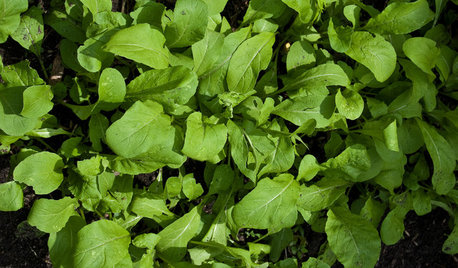
COOL-SEASON CROPSCool-Season Vegetables: How to Grow Salad Greens
From arugula to radicchio, greens have taken a top spot on the table and in fall and winter gardens. See how to start growing them now
Full Story
Daisyduckworth
herboholic
Related Professionals
Atlanta Landscape Architects & Landscape Designers · Norfolk Landscape Architects & Landscape Designers · Waterbury Landscape Architects & Landscape Designers · South Bend Landscape Architects & Landscape Designers · Muskegon Landscape Architects & Landscape Designers · Fargo Landscape Architects & Landscape Designers · Montrose Landscape Architects & Landscape Designers · Vincennes Landscape Contractors · Spartanburg Landscape Contractors · Lebanon Landscape Contractors · Eureka Landscape Contractors · Forrest City Architects & Building Designers · Saint Marys Architects & Building Designers · Scranton Architects & Building Designers · Coeur d'Alene Architects & Building DesignersDaisyduckworth
herboholic
rhizo_1 (North AL) zone 7
herboholic
robubba