

Wild Mint?
17 years ago
Sort by:Oldest
Comments (6)
Related Stories
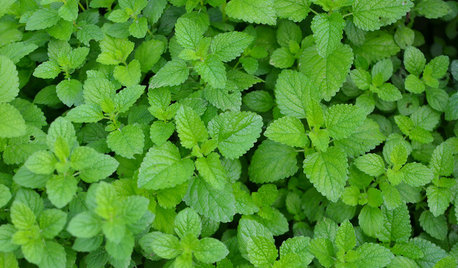
GARDENING GUIDESHerb Garden Essentials: Grow Your Own Delicious Mint
Pull out a pot for this one. Mint's spreading habit and hard-to-kill nature can be a blessing — if you're properly prepared
Full Story
GARDENING FOR BUTTERFLIESGreat Design Plant: Virginia Mountain Mint
Watch a world of insects dine on this Midwest native, an easy bloomer that washes the garden (and your skin) in scents of cool mint
Full Story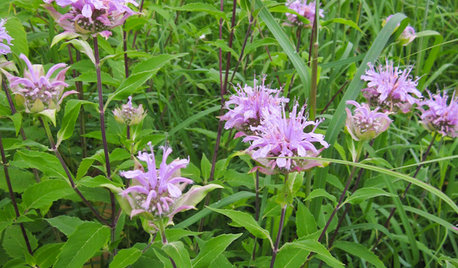
NATIVE PLANTSGreat Design Plant: Wild Bergamot, Friend of Foragers
Nourish butterflies and other winged creatures with the tubular flowers of Monarda fistulosa, a pretty pink native
Full Story
KITCHEN DESIGN10 Wildly Colorful Kitchens That Thrill and Delight
See how some of the most vivid kitchens on Houzz let loose with fearless color and personality
Full Story
PRODUCT PICKSGuest Picks: A Wild Kingdom of Your Own
You’ll roar for these cute, creative or just plain good-looking animal artworks, accessories and more
Full Story
DECORATING GUIDESLaws of the Jungle: How to Get That Lush, Tropical Look
Explore style's wild side by borrowing the colors, patterns and images of a tropical jungle
Full Story
PRODUCT PICKSGuest Picks: Leopard Prints to Pounce On
Seeing spots is a good thing when they give furniture, rugs, bedding and accessories such wildly beautiful style
Full Story
EARTH DAYHow to Design a Garden for Native Bees
Create a garden that not only looks beautiful but also nurtures native bees — and helps other wildlife in the process
Full Story
BENEFICIAL INSECTSAttract Pollinators for a Productive Edible Garden
You can lure bees, butterflies and birds into your yard with the right flowers and nesting spots
Full Story
DECORATING GUIDESSo Your Style Is: Colorful
Somewhere over the rainbow are rooms as vivid and unique as you are. Here's how to make the colorful look work like a charm
Full Story
francescod
fatamorgana2121
Related Professionals
Lafayette Landscape Architects & Landscape Designers · Beaumont Landscape Architects & Landscape Designers · Reno Landscape Architects & Landscape Designers · Vicksburg Landscape Contractors · Winston-Salem Landscape Contractors · Georgetown Landscape Contractors · Davenport Landscape Contractors · Fort Dodge Landscape Contractors · Pittsfield Landscape Contractors · Laconia Landscape Contractors · Show Low Landscape Contractors · Santa Rosa Landscape Contractors · Sarasota Architects & Building Designers · Hilton Head Island Architects & Building Designers · San Angelo Architects & Building DesignersLibbyLizOriginal Author
LibbyLizOriginal Author
LibbyLizOriginal Author
francescod