Software
Houzz Logo Print
andrewofthelemon

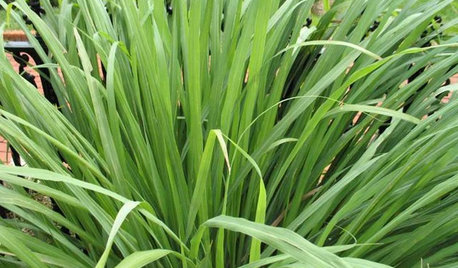
Lemongrass

14 years ago

So, a nursery near me is going out of business, so i went to go get stuff. Bought some lemongrass seeds, which I have been looking for for a long time. Bought them saturday, they germinated today! Much better than the 7-14 days the packet said. I would have waited until later on to germinate them so they could go outside, but they packet said they had already expired, so i didn't want to wait much longer.

Any info on growing this? Everything i saw was really vague, contradictory, and i didnt see anything about growing it from seed, just from stalks.

Also, anyone know what part you are supposed to eat? I read that the leaves get bitter when cooked, so you use them to steep tea, but what parts of the stalk i read to use are also contradictory.

Comments (19)

  • 14 years ago
    last modified: 11 years ago

    Wow, first of all, that is very nice looking.

    Thanks for all the info right off! Would protecting it be enough for the winter? Like mulching or placing a tarp over it with a heat source inside? Does it put out those feathery seed things like some ornamental grasses? When does it do that?

  • 14 years ago
    last modified: 11 years ago

    In all my decades of growing lemongrass, I have never once seen it flower or produce seeds, so I can't help you there. And, living in the subtropics, I don't get severe winters, not even the mildest frost, so have never had to protect it in any way. However, I wouldn't recommend putting a tarp over it - it needs SUNLIGHT. Perhaps you could make a clear plastic 'tent' over it, so that the leaves don't touch the plastic, to create some heat and humidity ie a hothouse. It depends on how severe your winters are, as to whether you put a heat source inside the 'tent'. If your temps get below 7C, it'll need some heating. (zero celsius is freezing point.)

    Perhaps someone who has succeeded with lemongrass in a cold climate can chime in at this point?

  • 14 years ago
    last modified: 11 years ago

    If you're in zone 7b, it's going to take a lot of protection to keep lemongrass in the ground since you can get down well below freezing. I'm up in 5b and what I do is wait until the end of the season, dig up a chunk of the clump, repot with potting soil, trim the tops to about 6 inches and set it in a sunny window. It goes pretty much dormant (it might grow an inch or so)and it starts again in spring.

    If lemongrass does get frosted / frozen, it will definitely die - been there, done that.

  • 14 years ago
    last modified: 11 years ago

    There are two sources for lemon grass, the one you see in the store is from South East Asia, it grows large with thick stems, the base of the stem of each blade is what you use in cooking. This variety does not set seed, or very rarely. The variety you purchased is called East Indian, it is smaller and thinner. I have grown both successfully by bringing it in for the winter and back out once the weather warms in the spring. It's really rather easy, after all it is a grass! Good luck!

  • 14 years ago
    last modified: 11 years ago

    I am growing lemon grass in a pot outside, and plan to bring it in if it ever gets close to freezing. You can see a photo of the mature plant and some recipes below.

    Here is a link that might be useful: What's Growing On?

  • 14 years ago
    last modified: 11 years ago

    Andrew, I have grown Lemongrass successfully using stalks bought from a Vietnamese store. I first root the stalk in a glass of water for a few days. The plant grows well in the summer, but has to be brought indoors in Northeast AR(Jonesboro). Where are you in Arkansas? Maybe we are neighbors.

  • 14 years ago
    last modified: 11 years ago

    A few springs ago, I was looking for and found small lemongrass plants for sale, and I purchased a couple. I already knew I really only needed one plant for all the lemongrass I really needed for tea and cooking. Here in zone 7 it is still very likely that it will die off in the winter (it has every year I've had it), so I planted one of the plants in the ground and another in a large pot. Before frost, I gave the one in the pot a good haircut and brought it in the house. Each spring, after frost, I divide the plant in the pot into three pieces, plant one back in the pot with fresh potting soil and compost, and plant the other two in the ground. By the time frost rolls around again, the one in the pot has grown to fill the pot and is healthy enough to over winter inside. The ones in the ground grow into huge ornamental and wonderful smelling plants that I cut blades from to include in my summer tea (along with mints, lemon verbena, bee balm, stevia, and more).

  • 14 years ago
    last modified: 11 years ago

    Drmbear, would you mind going into more detail about how you make that yummy summer tea? I have a huge abundance of lemongrass and besides the occasional Thai soup, never know what to do with it.
    I can always plant some bee balm, lemon verbena and stevia, now is the time here in AZ.

  • 14 years ago
    last modified: 11 years ago

    One of my favorites at a local Thai restaurant is their lemon grass tea. It is no more than fresh lemon grass muddled in the bottom of a tea pot with hot water poured on. It has to steep a few minutes before drinking. The tea's flavor and color gets stronger as the tea steeps throughout the meal. It is most lemony and yummy!

    FataMorgana

  • 14 years ago
    last modified: 11 years ago

    I'll give that a try, I certainly have enough to experiment with. Ivebeen lining my chicken nest boxes with it, I have so much!

  • 11 years ago

    I'd like to try lemongrass if anyone has some to share. I have a number of interesting plants that I can send in return--a few species begonias, seeds of bomarea, named hippeastrum seedlings, etc.

    Thanks,

    Rick in CT

  • 11 years ago

    Be careful sending plants in the mail. That is how pests and disease can spread. Perhaps you can exchange with people who live near you.

  • 11 years ago

    That's a good point. I still need to check out the local asian markets to see if I can find one with a few roots.

    Thanks,

    --Rr

  • 11 years ago

    The last month has been amazing for both making fresh herbal teas and drying herbs for teas after all the fresh stuff dies back in the fall and winter. Lemongrass is just one of the things I put in my teapot when making tea, but it's real simple - I cut off a couple stalks a couple inches above the ground, rinse it, and either shove the whole thing in the pot or cut it in two-inch pieces. For drying, I cut it into about six-inch pieces, then once dry I cut it into smaller pieces for addition to my tea blend. Of course, I almost never would put only that in my teapot - I'd also include some mints, some stevia, lemon balm or lemon verbena, pineapple sage, catnip, nettles, bee balm, etc. Of course bee balm is now flowering, and it has a much more sage like flavor, but I have cut and dried some of the flowers to add to my blend (the red flowers add a nice pink color to the tea). It really just depends on what I want. The other day I made a tea with a lot of strawberry mint, some lemon verbena, stevia, and anise hyssop, and a little store-bought green tea (it's looking like it will be years before the tea camelia's I planted will get big enough to supply all the green tea we drink). It was great. I think it's a far better bet to find some fresh lemongrass stalks at an Asian market or some grocery stores, put in a glass with water to see if roots sprout (or straight into a pot keeping the soil moist), and then potting it up. I've kept mine going for years, splitting what was overwintered in a pot each spring, half in the garden, half back in the pot with some fresh potting soil, bringing the pot in before danger of frost. Seed for lemongrass seems like a process that will just take far too much time, particularly for something that really wants full sun and heat but dies if left out in the winter. I want big massive bunches of it fast once it gets hot, because just like lots of other grasses, in the scorching blaze and dryness of late summer lemongrass suffers just like any other grass. I split mine and put some in the garden (here in Virginia) just a little over a month ago, and both the potted and the garden plant are already huge cascading fronds ready for tea.


  • 11 years ago

    I can't wait to get this going at my place! Thanks for the descriptions.

    --Rr

  • 10 years ago

    Hi, I bought lemongrass stalks from our local supermarket and potted it in the full sun (SE Qld, Australia). It went crazy! From 25-30cm stalks to over 7ft tall and thousands of seeds.

    What can I do with the seeds? Can they be dried and used in cooking or tea? Can they be frozen straight off the plant? How do I preserve them? thanks in advance :-)

    I've tried to attach a photo but not sure if it has worked

  • 10 years ago

    As far as I know, it is only the plant not the seeds that are used for edible purposes. You could probably trade seeds with other gardeners in your area.

    FataMorgana

  • 10 years ago

    If you Google 'parsley diseases', there's a pdf file on the subject titled 'Guide to Common Diseases and Disorders of Parsley...'. I was unable to provide a link here. I never knew that there were so many diseases for this, mosaic, bacterial, environmental, etc. I hope it helps!

    Rick