

is this recipe safe
17 years ago
Sort by:Oldest
Comments (5)
Related Stories
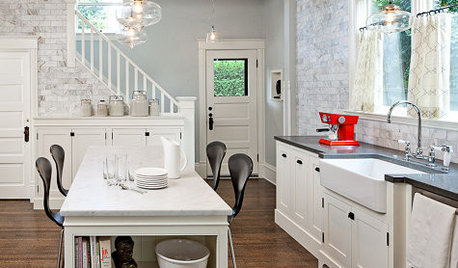
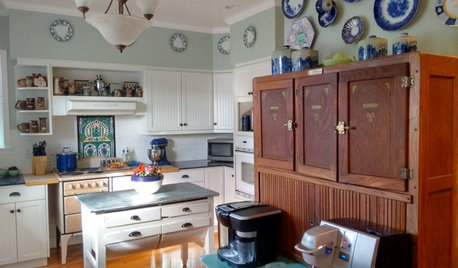
KITCHEN DESIGNKitchen Recipes: Secret Ingredients of 5 One-of-a-Kind Cooking Spaces
Learn what went into these cooks’ kitchens — and what comes out of them
Full Story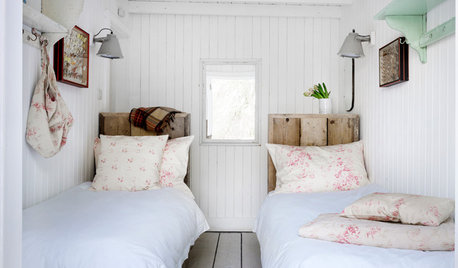
DECORATING GUIDES10 Recipes for Shabby Chic Style
Rustic furniture, floral fabrics, sparkling chandeliers. Here are 10 easy ways to bring the romantic cottage look into your home
Full Story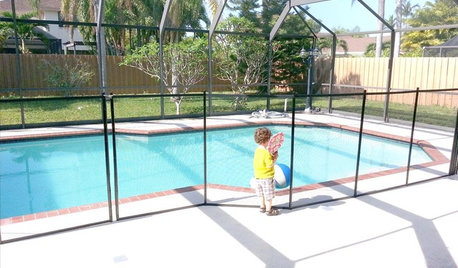
HEALTHY HOMEThese Steps Will Help Keep Kids Safe Around Pools and Spas
Implement several layers of security to prevent life-threatening accidents in and around the pool
Full Story
GARDENING GUIDESCreate a Fire-Safe Garden — With Style
Defend your home against wildfire with a well-planned mix of plants, materials and open space
Full Story
FARM YOUR YARDHow to Grow Vegetables in Containers
Get glorious vegetables and fruits on your patio with a pro’s guidance — including his personal recipe for potting mix
Full Story
KITCHEN DESIGNHouzz Call: What’s Cooking in Your Kitchen?
Most of us turn to recipes, videos and culinary shows when we cook. Where do you set your cookbook, tablet or TV screen?
Full Story
KITCHEN DESIGNA Dozen Ways to Bring Vintage Charm to Your Kitchen
The recipe for nostalgia can be as simple as an array of colorful plates or as fancy as a made-to-look-retro fridge
Full Story
HEALTHY HOMEHow to Childproof Your Kitchen
Knives, cords and chemicals can be a recipe for disaster around babies. Here’s how to make your kitchen safer for kids
Full Story
LIFEHow to Celebrate National S’mores Day When You Don’t Have a Campfire
Too hot to toast marshmallows? Never got around to building that fire pit? These recipes are for you
Full Story
ksrogers
annie1992
Related Professionals
Missoula Landscape Architects & Landscape Designers · Salt Lake City Landscape Architects & Landscape Designers · Everett Landscape Architects & Landscape Designers · Florence Landscape Contractors · Vicksburg Landscape Contractors · New Bedford Landscape Contractors · Williamsport Landscape Contractors · Concord Landscape Contractors · Frederick Home Builders · Hannibal Home Builders · Jacksonville Home Builders · Scranton Home Builders · Salt Lake City Home Builders · Tacoma Home Builders · London Home Builderssftbl5Original Author
annie1992
digdirt2