

Permaculture
21 years ago
Sort by:Oldest
Comments (4)
Related Stories

EARTH DAYThe Case for Losing the Traditional Lawn
Work less, help the environment and foster connections by just saying no to typical turf
Full Story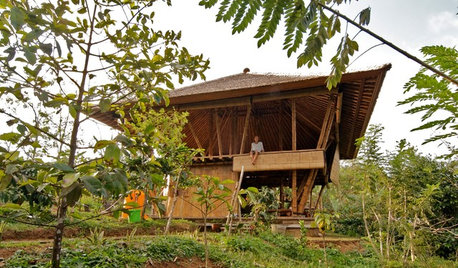
MOST POPULARMy Houzz: Open-Air Living in the Mountains of Bali
Community, jaw-dropping beauty and sustainability come together in a tropical paradise for a London expat
Full Story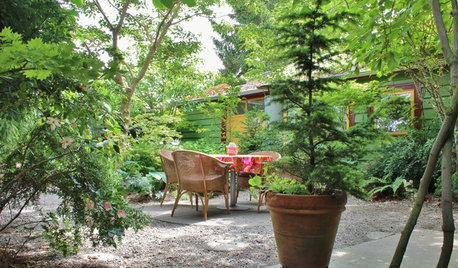
INSPIRING GARDENSFrom Concrete Lot to Gracious Organic Garden in Seattle
Plants, pests and even weeds have a place in this landscape, which offers an edible bounty and a feast for the eyes
Full Story
ARCHITECTURE4 Things a Hurricane Teaches You About Good Design
When the power goes out, a home's design can be as important as packaged food and a hand-crank radio. See how from a firsthand account
Full Story
DECORATING GUIDESJust In: 10 New Things to Make Eco-Living Easier
Finds from The 2011 West Coast Green Conference
Full Story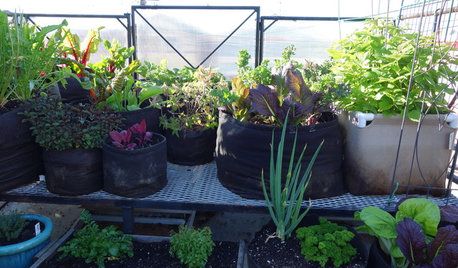
FARM YOUR YARDAn Urban Greenhouse Overflows With Edibles
Making meals just means stepping into the yard for a San Francisco couple who revamped an old orchid house
Full Story
GREEN BUILDINGWater Sense for Big Savings
Keep dollars in your pocket and preserve a precious resource with these easy DIY strategies
Full Story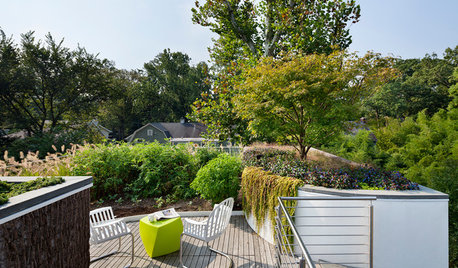
LANDSCAPE DESIGNProblem Solving With the Pros: Sustainable Landscape Captures Runoff
An underground cistern, permeable paving and a rain garden are part of this Washington, D.C. yard's thoughtful design
Full Story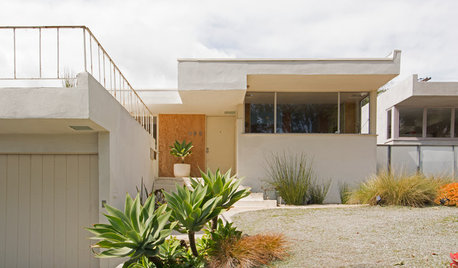
EVENTSMy Houzz: They’re Right at Home in Their Schindler House
Chance brought a couple to their Inglewood home designed by the L.A. midcentury architect. It will be part of a June design tour
Full Story
GARDENING GUIDESEvocative Plants to Awaken All the Senses
Slip into a garden wonderland that brings more than mere visual delight, by including these grasses, flowers and herbs
Full Story

blueheron
mdgardengurl
Related Professionals
Little Rock Landscape Architects & Landscape Designers · Danbury Landscape Architects & Landscape Designers · Westerly Landscape Architects & Landscape Designers · Effingham Landscape Contractors · Covington Landscape Contractors · DeRidder Landscape Contractors · Elizabeth City Landscape Contractors · Rockford Landscape Contractors · Medford Landscape Contractors · Salem Landscape Contractors · Ocala Custom Countertops · Pensacola Custom Countertops · Sebring Custom Countertops · Chatham Custom Countertops · Cowansville Custom CountertopsTheTickOriginal Author
dabprop