Software
Houzz Logo Print
naal_gw

Crown rot from mulch

14 years ago

Good am - it's been a while since I've posted a question... yes, I've been a lurker for well over 6+ years and enjoy reading everyone's input.

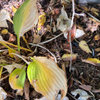
Well, recently I've put mulch down on a hill with 20+ 2 & 3 year old hostas. After hard rains, the mulch apparently was pushed up against a 1/2 a dozen hosta and they started to rot. No Southern blight, just good old fashioned rot! I didn't see any of the yellow spheres, just fungas gnats a plenty in the ground and the smell of nasty soil.

The question is, can I replant in these places without worry of the soil being contaminated? If yes, can any plant go there?

Needless to say, no more mulch on hills - I've learned my lesson!

NAAL

Comments (10)

  • 14 years ago

    if they lived there.. w/o problem for 2 or 3 years..

    why not just move the mulch.. and let the soil dry out.. and return to its former glory???

    why do they have to be moved???

    i would fear disturbing or cutting roots.. on a plant that already has some rot issues??? .. but that might be personal paranoia.. or an excuse to be lazy .. lol ..

    ken

  • 14 years ago

    So sorry to hear about your rot problem. How bad is it? I've heard people on another forum say that they cut away the rotted portion of their hosta and treated with a 10% bleach solution and that seemed to work for them.

  • 14 years ago

    Naal,

    What did you use for mulch? How much (i.e. depth) did you put down? In your area you might want to try something lighter like pine straw.

    That bleach thing that Ira mentioned does work, but it depends on how badly your plants were affected, if you should do it. If they will recover with just additional air circulation then do that. I think I'd try what Ken said first, see how the plants are doing. If they don't do well, then you can always did em up and bleach them. But why dig them if you don't have to.

    Steve

  • 14 years ago

    Thanks for responding... Pardon me if I wasn't quite clear.... After lurking here for all these years y'all should be able to read my mind by now! ;-)

    It isn't a question of moving them, as I lifted the entire plant or what was left of it, removed the rotted parts, salvaged any remaining non-rotted sections (if there were any) and replanted in separate pots to keep a closer eye and to control the miosture they received. What used to be 10+ eye hostas, now are singles. ugh. If I had left them in the ground, they wouldn't of recovered on their own, since they were that rotted.

    I used shredded mulch throughout the gardens in my yard. This section is on a hill with erosion problems. When it rained very hard due to the Derecho (I like that word), the mulch washed up against them and before I could push it back, WHAMO!.... the rot started and ran through them very quickly, in a matter of several days.

    So, I was wondering if I can plant something in the spot where the previous hostas (now rotted and potted up) were since I didn't see any signs of Southern Blight and it was just old fashion crown rot? Or is there such a thing as 'just crown rot'?

    Are you all confused now? I am! Thanks!

    NAAL

  • 14 years ago

    I would rake away the mulch best as you can and address the erosion problem with some terracing, rock berms, railroad ties, etc. A good ground cover, something like liriope (monkey grass) should grow well in you zone and will really help control the erosion. Liriope is a really tough plant and is easy to keep under control. I.e., it pretty much stays where you put it. Once I had the erosion under control, then I'd go ahead with replanting some hosta. Agree with Steve that pine needles would be a better choice for mulching. Water pretty much drains through the needles; they soak up very little water & dry out quickly.

  • 14 years ago

    yeah in my experience... shredded mulch tends to rot anyways... you finding any matting of the mulch with mycellum present? this is bad for plants... you can replant there but I would suggest watering the area in a solution of water and bleach just to be careful... 1/10 ratio...
    John

  • 14 years ago

    "you finding any matting of the mulch with mycellum present? this is bad for plants"

    The matting is bad but the fungi on mulch is specific to wood and does not harm plants. In fact, it is breaking the wood down into a form the plants can use. The mulch piling up on the crowns of naals plants and keeping them soaked likely caused the rot. Like Ken and Steve said, dry them out and see what happens.

    tj

  • 14 years ago

    Yeah I agree that the breaking down of mulch is fantastic for the soil in the long run... It done wonders for mine... But when the process involves matted mulch at the surface with mulch piled up close to plants... It's holding the moisture and rot near plants which I wouldn't want in my garden... Would you plant a hosta in a compost pile?

  • 14 years ago

    "Would you plant your hosta in a compost pile?"

    I think that is the answer. The mulch may have had enough moisture and density to really start composting and you may not have had any fungus present but just lost your hostas due to the buildup of heat.

    When we weed the gardens we put all the weeds in big buckets. I don't always get a chance to pick them all up right away and those weeds start to break down and create compost in just a matter of a days, especially when there is some moisture in the bucket. Combine 100 degree temps and piles of wet mulch and I'm sure they will start to generate heat on their own too and no matter how much fungicide you were to use on those plants the damage would already be done. I don't think you'd need to worry about the soil so long as the mulch is spread out again.

  • 14 years ago

    Many thanks for the conversation about the mulch/crown rot. Yes, it happenned so quickly; one day, all was fine and then two days later (after the rain) they were about gone. Did not see any of the 'mycellum' so I will plant there again with confidence.

    Thanks again and have a great weekend!

    NAAL