

mulch warning
20 years ago
Sort by:Oldest
Comments (10)
Related Stories

GARDENING GUIDESHow to Pick a Mulch — and Why Your Soil Wants It
There's more to topdressing than shredded wood. Learn about mulch types, costs and design considerations here
Full Story
GARDENING GUIDESGarden Myths to Debunk as You Dig This Fall and Rest Over Winter
Termites hate wood mulch, don’t amend soil for trees, avoid gravel in planters — and more nuggets of garden wisdom
Full Story
GARDENING GUIDES7 Ecofriendly Gardening Ideas That Also Cut Chore Time
Spend less time weeding, less money watering and more moments just sitting back and enjoying your healthy garden
Full Story
LANDSCAPE DESIGNYour Mini Guide to Great Garden Edges
Get the scoop on trenches to the skinny on bender board, to help keep your garden beds as tidy as you like
Full Story
EARTH DAYThe Case for Losing the Traditional Lawn
Work less, help the environment and foster connections by just saying no to typical turf
Full Story
GARDENING GUIDESHow I Learned to Be an Imperfect Gardener
Letting go can lead to a deeper level of gardening and a richer relationship with the landscape. Here's how one nature lover did it
Full Story
GARDENING GUIDESCommon Myths That May Be Hurting Your Garden
Discover the truth about fertilizer, soil, staking and more to keep your plants healthy and happy
Full Story
FRONT YARD IDEASBefore and After: Front Lawn to Prairie Garden
How they did it: Homeowners create a plan, stick to it and keep the neighbors (and wildlife) in mind
Full Story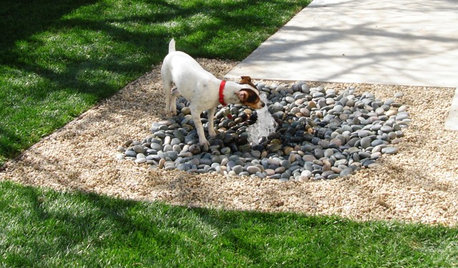
MOST POPULAR8 Backyard Ideas to Delight Your Dog
Cue the joyous soundtrack. These pet-friendly landscape and garden ideas will keep your pooch safe, happy and well exercised outdoors
Full Story
LANDSCAPE DESIGNGet Along With Less Lawn — Ideas to Save Water and Effort
Ditch the mower and lower your water bill while creating a feast for the eyes with diverse plantings and gathering places
Full Story
maggiemae_2006
jspece
Related Professionals
Dover Landscape Architects & Landscape Designers · Macon Landscape Architects & Landscape Designers · Rochester Landscape Architects & Landscape Designers · Oshkosh Landscape Architects & Landscape Designers · Fayetteville Landscape Contractors · Longview Landscape Contractors · Manchester Landscape Contractors · Bakersfield Landscape Contractors · Decatur Home Additions · Vidalia Home Additions · Clarksburg Home Additions · Manchester Home Additions · Superior Home Additions · Pocatello Home Additions · Amherstburg Home Additionsmaggiemae_2006
hostarox
ken_adrian Adrian MI cold Z5
maryann_____chgo
maggiemae_2006
maryann_____chgo
papou
maryann_____chgo