

UMass Landscape Message September 8
20 years ago
Comment

Related Stories
LIFE8 Ways to Embrace the Wonder of Fall
Savor the small joys of the new season with these ideas for home and the outdoors
Full Story
EDIBLE GARDENSA Formerly Weedy Lot Now Brims With Edibles and Honeybees
Photographers transform their barren backyard into an oasis filled with fruit, vegetables, honey, eggs and more
Full Story
COMMUNITYTour a Pioneering Beach Town That Fosters Community
No cars, mixed-use zones, strict building codes ... a new book takes us inside Seaside, a champion of New Urbanism
Full Story
GARDENING FOR BUTTERFLIES3 Ways Native Plants Make Gardening So Much Better
You probably know about the lower maintenance. But native plants' other benefits go far beyond a little less watering and weeding
Full Story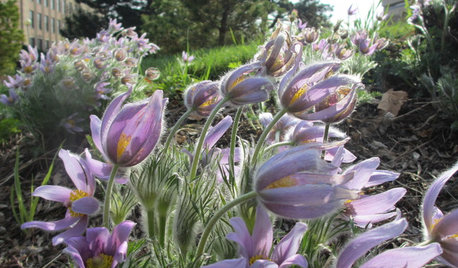
GARDENING GUIDES6 Plants That Beat Butterfly Bush for the Wildlife Draw
It's invasive, a nonnative and a poor insect magnet. Check out these better alternatives to butterfly bush in the garden
Full Story
LIFE10 Ways to Work Through Grief Triggers During the Holidays
A year after losing her sister, she was facing another holiday. Here’s how one woman learned to find joy again
Full Story
STUDIOS AND WORKSHOPSHouzz Call: Show Us Your Hardworking Studio!
Upload a photo of your home studio or workshop and tell us how you’ve designed it to work extra hard for you
Full Story
KITCHEN COUNTERTOPSKitchen Countertop Materials: 5 More Great Alternatives to Granite
Get a delightfully different look for your kitchen counters with lesser-known materials for a wide range of budgets
Full Story
MOVING9 Ways to Calm New-Home Jitters
Buyer's remorse begone! Here are some tricks to help you warm to your new place, warts and all
Full Story
HOUSEKEEPINGTo-Dos: Your March Home Checklist
It’s time to rid yourself of winter’s heaviness and set up for spring
Full Story
Related Professionals
Nashua Landscape Architects & Landscape Designers · Olympia Landscape Architects & Landscape Designers · Miami Landscape Contractors · Tampa Landscape Contractors · Madison Landscape Contractors · Elmira Landscape Contractors · Pittsburgh Landscape Contractors · Ogden Landscape Contractors · Decatur Tile and Stone Contractors · Pittsburg Tile and Stone Contractors · Muskegon Tile and Stone Contractors · Toledo Tile and Stone Contractors · Coeur d'Alene Tile and Stone Contractors · Evanston Tile and Stone Contractors · Chatham Tile and Stone Contractors