Software
Houzz Logo Print
homernoy

Local Acacia reseeding. Ron B?

17 years ago
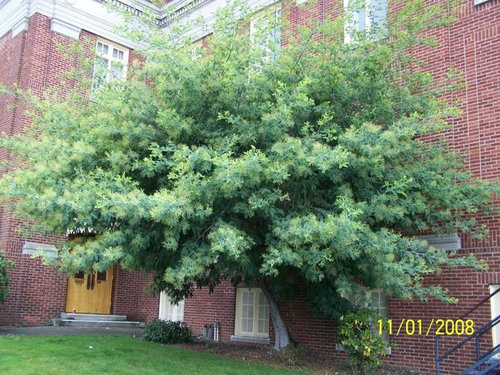
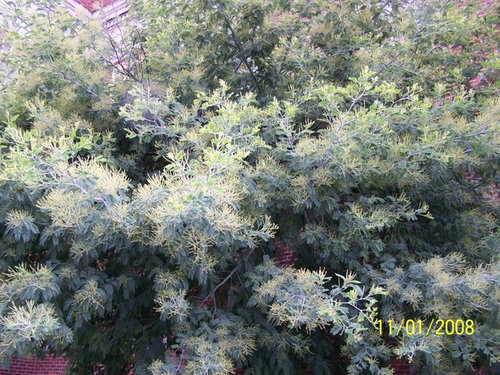
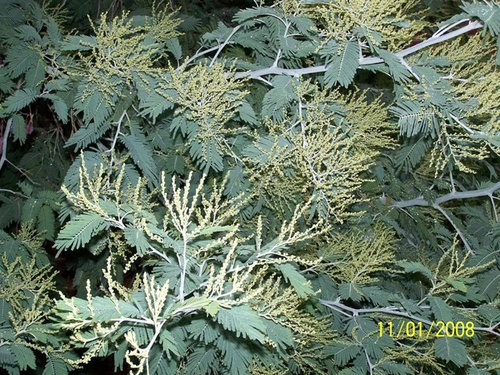
After this tree was butchered by over zealous "landscape/pruners", this plant is looking like it did a couple of years ago, and is exploding with flower buds.

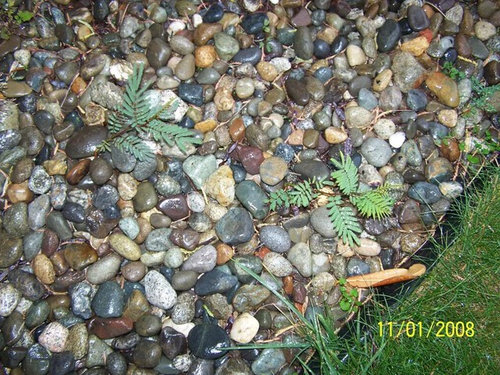
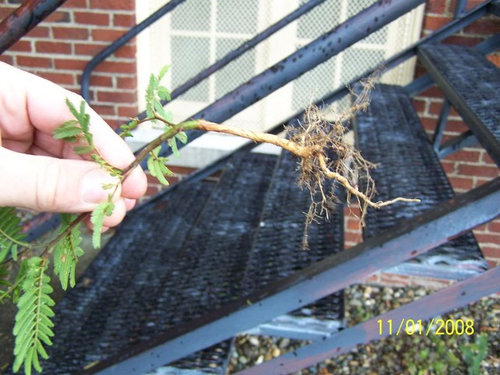
It is also reseeding, which I was told had to be "suckering", but the seedlings seem to me to come way away from the parent, and the roots have no attachments. Have you seen this before around here Ron?


Comments (7)

  • 17 years ago

    Definitely seedlings. This and/or similar species are weeds in northern California but there aren't enough of them up here to see them doing much of anything, reseeding or otherwise. The existence of this specimen is highly exceptional in my experience. There are multiple much more recently planted ones growing in Seattle now, but we'll see how long these persist. Even the much more locally common gums (eucalypts) do not maintain their numbers through winters like the one in 1990.

    Current representation reported by Jacobson, TREES OF SEATTLE - SECOND EDITION.

  • 17 years ago

    Much appreciated Ron. I talked to a couple of people from Southern Oregon (extreme southwest) where they say this plant does not self sow, just suckers.

    Of course the consensus was that it couldn't happen here, but four maybe five years ago it was obvious. The landscapers do their best to pull them all and prune the sh*t out of it, but there have been some years the seedings were getting well above 12 inches. Thanks again.

  • 17 years ago

    No self sowing???? What are these people thinking???

    This is an excellent example of a tree that has serious weed potential. I thas naturalised in parts of SI New Zealand that are as cold as PNW. If it flowers, it presumably sets seed, and they will grow. Not only that, but they can remain viable in the soil for at least 400 years.

    I'm planting them too, great trees that are seriously underutilised for their true value (apart from aesthetics), which is N-fixation and timber, and soil stabilisation form the vigorous suckering that the tree does when the roots are disturbed. Nice to see those nodules on that root structure btw.

  • 17 years ago

    Brian,

    Is that tree in a southern exposure? What type of soil is it in? I tried a seedling from it, and a varity that was suppose to be from the mountains. The seedling from the Bremerton plant did better but not much. It froze back to the roots, the high mountain varity froze out. The next year the Bremerton one froze and died for good. Both plants were in loam and had all around exposure. Also, Issaquah is colder than Bremerton. If Ian still has some seeds from this plant I should try it again.

    Another Acacia that is big and been around for several years is Roger's, from Olympia, Acacia pravissima.
    {{gwi:1094700}}
    He post on Northwest Palms and Subtropical board from time to time. He gave me a few seeds from his plant but I didn't have any luck with them, didn't germinate. I would like to try that one again.

  • 17 years ago

    Southern hemisphere locations do not have Arctic fronts, where there is desiccating low humidity combined with low temperatures. Another factor overruling similar minimum temperatures in a southerly locale indicating northern suitability is the frequent lack of prolonged cold there, with the soil freezing for multiple days or weeks at a time. It might get into the teens F. for a day or so and then be in the 70s again a few days later. Roots are much less hardy than tops, to be hardy in the north a plant must have frost-resistant roots.

    There would be a significant difference between the minimum temperatures quite near salt water on a hillside in Bremerton and a valley floor location out in Issaquah. On the whole acacias have rather high minimum temperatures, which is why they are usually rare here. I grew an A. pravissima and a bushy one that blooms small - A. boormanii? - on sunny walls on Camano Island for a few years. The first one got above the level of the facia on the house before it got below 20F one year and both were then history.

  • 17 years ago

    Ron,

    Have you tried any of the American Acacia, such as A. greggi, A. constricta,or A. angustissima? The native range of constricta is as far north as Maryland, and angustissima is Missouri, so a person would think that those populations would be hardy enough for the NW.

    J.L. Hudson carries angustissima seeds but they are seeds from trees found further south and are not hardy.

    John

  • 17 years ago

    I don't remember seeing any of these here. The first question would be how they might do in our cool summers. Even as close as Portland, where they might have one of them at Cistus nursery for instance, the hotter summers could make a difference.