

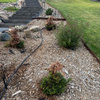
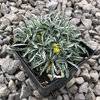
Need help with IDing tree pest (pics)
19 years ago
Sort by:Oldest
Comments (5)
Related Stories

PETSHow to Help Your Dog Be a Good Neighbor
Good fences certainly help, but be sure to introduce your pup to the neighbors and check in from time to time
Full Story
GARDENING GUIDESWhen and How to Plant a Tree, and Why You Should
Trees add beauty while benefiting the environment. Learn the right way to plant one
Full Story
SIDE YARD IDEASNarrow Trees for Tight Garden Spaces
Boost interest in a side yard or another space-challenged area with the fragrance and color of these columnar trees
Full Story
FALL GARDENING11 Trees for Brilliant Fall Color
Give your landscape the quintessential look of autumn with the red, orange and yellow leaves of these standouts
Full Story
FRUIT TREESHow to Grow Your Own Juicy Plums
Easier than other stone fruits and with a variety of colors to choose from, plums are a versatile garden addition
Full Story
GARDENING AND LANDSCAPINGBreezy and Bug-Free Modern Porches
Screening keeps pests out of these diverse porches across the U.S., while thoughtful designs keep them visually appealing
Full Story
LANDSCAPE DESIGNGreat Design Plant: Paint the Summer Landscape With Desert Willow
If the vibrant flowers of this Southwestern native tree don't blow you away, the hummingbirds, fire resistance and low maintenance will
Full Story
FALL GARDENINGWhy Fall Is the Best Time for Planting
Spring is overrated for planting. Starting plants in autumn has advantages for both garden and gardener
Full Story
TREESGreat Design Plant: Southern Live Oak Offers an Unbeatable Canopy
Keep it dense or prune it for more light. No matter how you grow Quercus virginiana, it’s a majestic addition to its native landscape
Full Story
EARTH DAYThe Case for Losing the Traditional Lawn
Work less, help the environment and foster connections by just saying no to typical turf
Full Story
Kimmsr
ken_adrian Adrian MI cold Z5
Related Professionals
Pensacola Landscape Architects & Landscape Designers · Washington Landscape Contractors · Johnson City Landscape Contractors · Escanaba Landscape Contractors · Marquette Landscape Contractors · Mankato Landscape Contractors · Portsmouth Landscape Contractors · Marinette Landscape Contractors · Amherstburg Landscape Contractors · Atlanta Kitchen Remodelers · Cincinnati Kitchen Remodelers · Gloucester Kitchen Remodelers · Portsmouth Kitchen Remodelers · Rutland Kitchen Remodelers · Seattle Kitchen Remodelersrhizo_1 (North AL) zone 7
indy452Original Author
calliope