

preventative spraying
17 years ago
Sort by:Oldest
Comments (3)
Related Stories
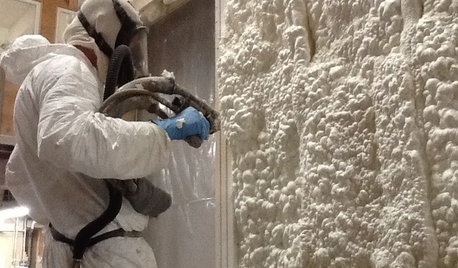
MATERIALSInsulation Basics: What to Know About Spray Foam
Learn what exactly spray foam is, the pros and cons of using it and why you shouldn’t mess around with installation
Full Story
DIY PROJECTSDining Set Makeover: Paint and Tea-Tinted Fabric Make Old Chairs New
Reclaim dated dining chairs for far less than buying new, using spray paint, modern fabric and a handful of tea bags
Full Story
HOME INNOVATIONSNow Approaching the Emerald City
Urbanites are spraying moss graffiti on walls and covering roofs in plants — and city regulators and designers are supporting the cause
Full Story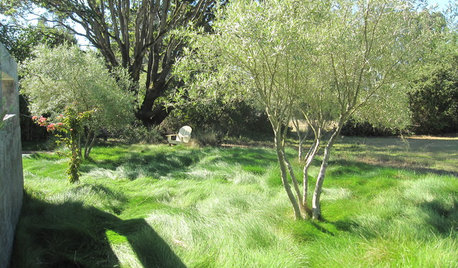
GARDENING AND LANDSCAPING7 Ornamental Grasses for Coastal Gardens
These hardy seashore plants evoke the ocean, sway in the breeze and help prevent sand erosion in the landscape
Full Story
MOST POPULARHow to Get Rid of Those Pesky Summer Fruit Flies
Learn what fruit flies are, how to prevent them and how to get rid of them in your home
Full Story
LIFEHow Your Landscaping Can Keep Burglars Away
Prevent home break-ins with strategic landscaping and good practices instead of menacing — and maybe less effective — measures
Full Story
HOUSEKEEPINGTips for Removing Carpet Stains
Know the right solutions and when to use them to handle stains from coffee, pets, chocolate, ink and more
Full Story
EDIBLE GARDENSNatural Ways to Get Rid of Weeds in Your Garden
Use these techniques to help prevent the spread of weeds and to learn about your soil
Full Story
GREEN BUILDINGInsulation Basics: Designing for Temperature Extremes in Any Season
Stay comfy during unpredictable weather — and prevent unexpected bills — by efficiently insulating and shading your home
Full Story
KITCHEN DESIGN10 Big Space-Saving Ideas for Small Kitchens
Feeling burned over a small cooking space? These features and strategies can help prevent kitchen meltdowns
Full Story


daylilyfanatic4
digdirt2
Related Professionals
Philadelphia Landscape Architects & Landscape Designers · McAllen Landscape Architects & Landscape Designers · Brainerd Landscape Architects & Landscape Designers · Sioux Falls Landscape Architects & Landscape Designers · Dothan Landscape Contractors · West Palm Beach Landscape Contractors · Louisville Landscape Contractors · Hilton Head Island Landscape Contractors · Montrose Landscape Contractors · Portsmouth General Contractors · Myrtle Beach General Contractors · New Braunfels General Contractors · Oxnard General Contractors · Pocatello General Contractors · Bismarck General ContractorsrobebOriginal Author