Software
Houzz Logo Print
ashley9597

wilting tomato leaves, insecticide

16 years ago

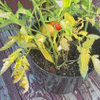
I have three different tomato plants...early girl, yellow pear, and a roma. I sprayed them with an insecticide called Organocide. The bottle does state that some tomato plants may be sensitive to the insecticide so I only sprayed a little bit. I don't know what kind of bug I have but I have noticed little holes in the tomato leaves (they look like little knats). The organocide is supposed to cover a wide variety of bugs so I thought whatever these little critters are, the insecticide will take care of them. A few hours after spraying my plants the leaves started wilting, curling, and changing color. The stems are still very sturdy, just the leaves seem to be affected. I have sprayed the plants with water, trying to rinse the insecticide off. It has been a couple days and the leaves are still wilted. My questions: Have I damaged my tomato plants? Are my plants on death row and past recovery? Should I cut off the wilting leaves so energy is sent to the healthy leaves? Would spraying with vermicompost tea help the leaves recover? I would appreciate any advice. This is my first year growing tomato plants. I know I am going to make mistakes along the way...I just don't want to kill my plants.

Comments (9)

  • 16 years ago

    Maybe you sprayed with high concentration.
    Plants also absorb through their leaves.
    I will try to foliar feed them with very dilute water soluable plant food, or epson salt.

    BTW, what is the brand name of the insecticide you used?
    It will be helpful for us to avoid it.
    The Manufacturers had to be more specific in their warning.
    Tomato is the most common garden vegetable/plant.

  • 16 years ago

    Ashley
    I don't know what kind of bug I have but I have noticed little holes in the tomato leaves (they look like little knats).

    It is smart to ID the insect that's causing the holes in your plant leaves before deciding to spray with an insecticide. Two reasons: first, some insects cause cosmetic damage but do not affect the productivity of your plants, and, two, it's all too easy to kill benign or beneficial insects in your garden with a broad-based insecticide. IOW, you might end up with a worse infestation than you first had because you've killed all the pest predators that would keep them under control.

    Organocide kills these insects:

    Citrus rust mites
    Spider mites
    Armored and soft scales
    Mealy bugs
    White-flies
    Aphids
    Leaf-rollers
    Leaf miner
    Fungus gnats
    Thrips
    Sago Palm Scale
    Glassy Winged Sharpshooters

    From your description of the leaves, I don't see that any of the insects above (like a gnat) would cause those little holes.

    A picture of the insect or the leaves would be helpful.

  • 16 years ago

    Probably flea beetles. They won't hurt the plants though other than to make the unsightly holes so I'm guessing the wilting is a disease problem and has nothing to do with your spraying. ASSUMING you followed the label directions. Find an organic pyretherin-based pest spray to control the flea beetles.

  • 16 years ago

    Cyrus- the insecticide is called Organocide. I bought it at Loew's. The manufacture does say some tomato plants could be sensitive if over sprayed. I know I did not over spray, but then again what one thinks is just enough could be considered overkill by another...

    Anney- thank you for the advice. I am still very new at gardening and I didn't think that I might be killing beneficials by spraying the Organocide. They market it to be so safe that I assumed it would only kill the bad bugs. I will be more diligent about recognizing the bug I have before acting next time.

    My plants definitely do not look like the picture with the flea beetles. That does not look like my bugs at all. I do believe the wilting is from the spray and not a disease simply because the wilting started a couple hours after spraying the plants and they were extremely healthy up to that point. I am going to try a foliar spray of vermicompost tea to see if those leaves will come back. Does anyone recommend removing the "bad" leaves if they do not respond to the foliar spray? I greatly appreciate any advice. I am trying to learn as much as I can. The best way to learn is by making mistakes or learning from others mistakes, but I don't want to loose my plants in order to learn. Thank you everyone.

  • 16 years ago

    My experience is that, short of physical damage from animals and fungal diseases due bad weather, there really is no need to fuss over tomato plants - It usually does more harm then good. Tomato plants are pretty tough if left to their own devices and all other conditions are favorable.

    I don't spray insecticides ever, but I may occasionally spray an organic fungicide depending if the conditions require it (cold and constantly rainy / humid). I used to panic about insects on my plants, but then one year I just let the situation go. First there were tons of aphids and some whiteflies, then when there numbers got high - their natural predators showed up and cleaned house. Then some hornworms showed up... then the birds showed up; no more hornworms. Not saying everyone's experience will be like that, just saying you should see what happens when left alone - things generally work themselves out.

  • 16 years ago

    Manufacturer says the main ingredient is sesame oil so I would assume the leaves are now oil coated making transpiration difficult for them and that makes them wilt - usually temporarily. They also won't absorb any nutrients right now until the oily coating wears off so I wouldn't bother spraying anything.

    If they were my plants I would try to shade them a bit if at all possible to reduce stress and then leave them alone and let them recover on their own. Most times attempts to "help" only make things worse. You may lose a few leaves - let them fall off on their own - but as long as the root ball isn't affected new growth will replace them.

    Manufacturer also says it needs to be diluted before use so I assume you did that. But they don't tell you things like mist only lightly, don't apply in direct sun or in the heat of the day, or aim for the insects and don't drench the leaf surface. Those are good things to keep in mind regardless of the spray you are using.

    And as already mentioned, next time ID the bug first, then make sure it really is a pest, then go for the least toxic solution possible.

    Good luck with your plants.

    Dave

    Here is a link that might be useful: Organocide

  • 16 years ago

    Thank you everyone for your advice. I think I will just let my plants be and stop fussing. I will keep everyone updated as they recover.

  • 4 years ago

    You all should know that pyrethrum does kill tomato plants. Use oil - any oil!

  • 4 years ago

    Not true Ty, in fact nothing you said is true.