

Disappearing tomato blossoms
12 years ago

Sort by:Oldest
Comments (8)
Related Stories

EDIBLE GARDENSSummer Crops: How to Grow Tomatoes
Plant tomato seedlings in spring for one of the best tastes of summer, fresh from your backyard
Full Story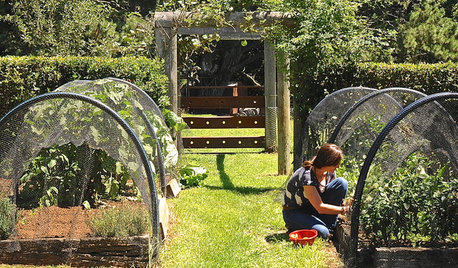
FARM YOUR YARDHouzz Call: Home Farmers, Show Us Your Edible Gardens
We want to see where your tomatoes, summer squashes and beautiful berries are growing this summer
Full Story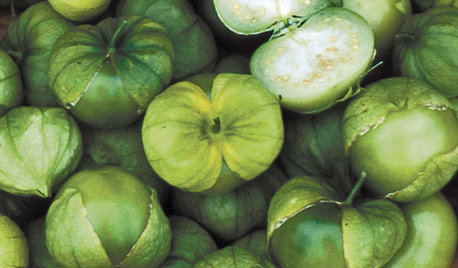
SUMMER FRUITS AND VEGETABLESSummer Crops: How to Grow Tomatillos
Grow this Mexican native for the freshest salsa verde — and for fewer problems than its tomato cousins
Full Story0
ARCHITECTURE6 Amazing Homes Dug Into the Earth
Designed to disappear or with portions peeking out, these houses bring a new meaning to 'communing with nature'
Full Story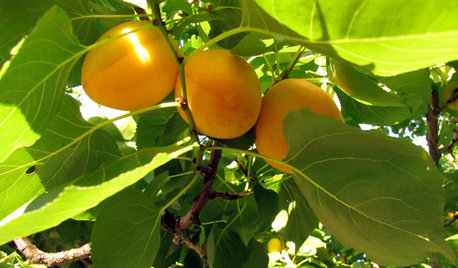
EDIBLE GARDENSHow to Grow Your Own Apricots
Velvety fruit, pretty blossoms and interesting bark make apricot trees a delight — and they’re great for smaller gardens
Full Story
SPRING GARDENINGSummer Crops: How to Grow Strawberries
Pluck your own sweet strawberries right from the garden vine for smoothies, salads or eating then and there
Full Story
WINTER GARDENINGGreat Design Plant: Snowdrops Offer a Spring Peek
Braving snow and ice, these little white charmers are a sure shot of sunshine in the winter garden
Full Story
REGIONAL GARDEN GUIDESSoutheast Gardener's September Checklist
Fertilize strawberries, plant a tree or two and beckon hummingbirds to your Southern garden this month
Full Story
FALL GARDENING6 Splendid Blue-Flowering Bulbs
How do you blue? With colors from sky to cobalt, these bulbs will greet you merrily in a spring garden
Full Story
EDIBLE GARDENSGarden BFFs? Why Your Vegetables Are Begging for Companion Plants
Foster friendships among plants for protection from pests, pollination support and color camaraderie
Full Story


tarynmerkleyOriginal Author
missingtheobvious
Related Professionals
Frisco Landscape Architects & Landscape Designers · Lynchburg Landscape Architects & Landscape Designers · Edison Landscape Architects & Landscape Designers · Saint Marys Landscape Architects & Landscape Designers · Bend Landscape Architects & Landscape Designers · Magog Landscape Architects & Landscape Designers · Florence Landscape Contractors · Chambersburg Landscape Contractors · Longview Landscape Contractors · Knoxville General Contractors · Sierra Vista General Contractors · Merced General Contractors · Riverside General Contractors · Victorville General Contractors · Santa Fe General Contractorsseysonn
tarynmerkleyOriginal Author
missingtheobvious
digdirt2
mbrowne
missingtheobvious