

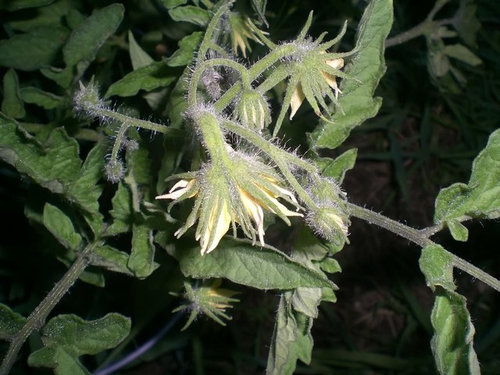
Is This Rutgers?
19 years ago
Sort by:Oldest
Comments (6)
Related Stories

HOUZZ TOURSMy Houzz: Boosting Light and Family Friendliness in a 1920s Townhouse
With more interior sunshine and other upgrades, an Amsterdam home leaps ahead in comfort and function
Full Story
FALL GARDENING6 Deer-Resistant Flowering Vines to Plant This Fall
Have a major deer problem? Here are some of the only vines that have a chance of not being eaten
Full Story
GARDENING GUIDESGreat Garden Combo: 3 Wonderful Plants for a Deer-Resistant Screen
Protect your privacy and keep deer at bay with a planting trio that turns a problem garden area into a highlight
Full Story
INSPIRING GARDENSNative Plants Bring 10 Southern California Front-Yard Gardens to Life
Rare plants, rain gardens and wildlife habitats are just a few of the features showcased on the 2016 Theodore Payne Native Plant Garden Tour
Full Story
COFFEE WITH AN ARCHITECTA Few Things I Would Like to Ask Frank Lloyd Wright
It could take a lifetime to understand Frank Lloyd Wright's work — less if we had answers to a few simple questions
Full Story
GARDENING GUIDESTop 12 Summer-Blooming Perennials for Deer-Resistant Drama
Can you have garden color, fragrance and exciting foliage with hungry deer afoot? These beauties say yes
Full Story
GARDENING AND LANDSCAPINGOutdoor Design: Save that Tree!
Have Your Deck and Big Tree, Too — Build Around it for an Exceptional Living Space
Full Story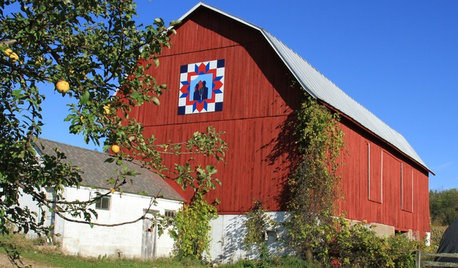
ARTBarn Quilts Piece Together a Community
One man with one beautiful idea transforms Wisconsin’s Shawano County
Full Story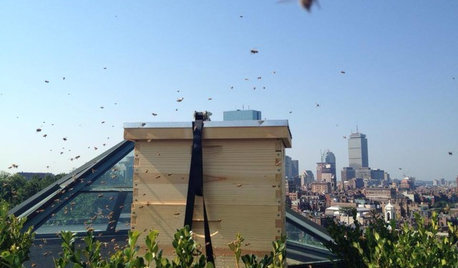
FARM YOUR YARDHello, Honey: Beekeeping Anywhere for Fun, Food and Good Deeds
We need pollinators, and they increasingly need us too. Here, why and how to be a bee friend
Full Story
GARDENING GUIDESHow to Find the Right Native Plants for Your Yard
Find plant maps, sale sites and guides that make going native in the garden easier than ever
Full Story
Sponsored


carolyn137
HoosierCheroKee
Related Professionals
Hot Springs Landscape Architects & Landscape Designers · Indianapolis Landscape Architects & Landscape Designers · Anniston Landscape Architects & Landscape Designers · Leominster Landscape Architects & Landscape Designers · Athens Landscape Contractors · Brunswick Landscape Contractors · Elizabethtown Landscape Contractors · Winston-Salem Landscape Contractors · Chattanooga Landscape Contractors · Eau Claire Landscape Contractors · Rocky Mount General Contractors · McAlester General Contractors · Marquette General Contractors · Carlsbad General Contractors · Longview General ContractorsaddictedtorosesOriginal Author
carolyn137
anney
gonefishin