Software
Houzz Logo Print
naturalstuff

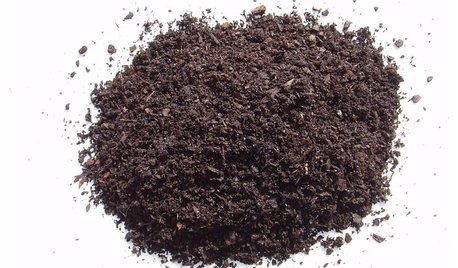
Leaf Compost

19 years ago

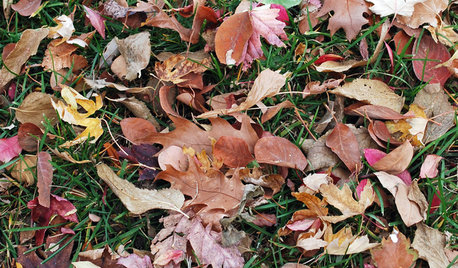
Anyone know of a forum I could get answers to this question? I'm trying to find out how long it really takes for leaves to decompose and turn to compost.

I have a ton of them and I'd rather just pile them in the back somewhere. I read that if you put nitrogen and turn them often, they'll break down easier.

but I'd like a timetable for the process.

Thanks.

Comments (7)

  • 19 years ago

    The Soil, compost and mulch forum has lots of good information on all that type stuff.

    I can tell you that there are quite a few variables, type leaves, climate etc., but also that shredded leaves will decompose a lot faster than whole leaves. You can just pile them up whole or shredded and make leaf mold out of them, or add "Greens" like garden wasste, kitdchen scraps, grass clippings, manures of various kinds etc. keep it moist and turn it every now and then to let some oxygen in and it will heat up, kill weed seeds and pathogens and make some pretty fast.

    To my way of thinking, leaves are a tremendous asset to use for composting and mulching if you have a place to put them and are willing to work with them a little. A good, thick layer of shredded leaves put down as mulch really helps to conserve moisture, control unwanted weeds and grass and keep the temperature of the soil more consistent.
    Just my .02
    Bill P.

  • 19 years ago

    Thanks Bill. Seems like when I mow the lawn full of leaves I get a greener lawn the next season. But I was wondering if it's better to put them in a pile first then spread the compost on the lawn.

    I'll check out that link. Thanks!

  • 19 years ago

    You probably do Jim, the leaves break down and the worms and microbes love them and help convert them to plant food. It kinda stands to reason though that if you pile them up and add other materials to them you could possibly end up with more nutrients to put on the lawn.

    Some people mow and mulch as many as practical into the lawn then gather up the excess and compost that.

    As far as a timetable goes, I have piled shredded leaves up damp and they start heating up on their own right away. The reason that I mention variables is because in the frozen tundra of the nothland (up north) it probably stops most activity during the winter.
    Good luck with your endeavors Jim.
    Bill P.

  • 19 years ago

    CT and Ia or Ne have similar climate, so I will give you my timetable. I do shred my leaves before adding to my compost pile. Along with those "browns" I add all the "greens" I can. If the greens are short, I will add nitrogen fertilizer in small quantities every fourth or fifth layer. I also add a little soil every once in a while. Be sure to turn the pile on a regular (my regular is every two or three weeks) basis. This gets oxygen in the pile. Watering every once in a while to keep the compost from drying out is necessary.

    That being said, my fall leaves sit all winter and don't cook much. As the spring and summer comes along with the greens, air and water and turning, my compost is ready to go in the fall or the next spring. If you add that all up the beginning of a compost pile may take a year to really get going. To use smaller quantities of compost from the bottom of the pile, it can be used after a few months of composting if the temperature of the pile is high enough to start the breakdown. Adding a little dirt will put the microbes into the pile. Nitrogen will help them grow and start to feed. A can of regular soda sprinkled on the compost a couple of times a year will accelerate the breakdown process. The bugs like sugar.

    As you have discovered in your lawn, leaf breakdown attracts all kinds of good critters that help out the grass. I will shred and then till leaves into my garden in the fall and the breakdown will occur over the winter and through the next growing season. Pretty amazing stuff. One caveat: if you have black walnut leaves, make sure they are completely composted before using. Those leaves have a natural herbicide that will stunt or even kill some plants as the leaves decay and the herbicide is released. Natures way of limiting the competition.

    The forum mentioned above is very good info for lots of questions.

  • 19 years ago

    I simply use mine as mulch in the garden instead of composting them seperately.

  • 19 years ago

    I've heard all kinds of ratios 3 parts 'brown' (leaves) to 1 part 'green' for healthy compost, turning it over twice a day, adding beer, etc... I think there are all kinds of variables - how much sun, climate, what you put in the pile, etc. And I've done everything wrong - I'm sure - but I've found this: (ready??) IF YOU PILE IT UP, IT WILL ROT. Profound, I know.

    Oh, I have found shredded leaves do rot/compost quicker.

    Thanks,

    Tom-

  • 19 years ago

    When I lived in Bakersfield (zone 9, rarely below freezing), I'd mix about equal parts leaves (mixture of pecan, persimmon, fig and mulberry leaves) with fresh horse manure, and could get breakdown to good finished compost in about 8 weeks only turning it a couple times. I don't think I ever registered temps above 120F. I'm sure I could have cooked it faster with more frequent turning.

    Here, outside of Boise, where the ground freezes during December and January, I compost our oak leaves with fresh manure in November, and it's ready to plant in the spring. Piling and turning would probably make it happen within 3 months, but I can't use the stuff until at least March anyway, so I see no point in making more work for myself.