

Range - question about oven control
18 years ago
Sort by:Oldest
Comments (2)
Related Stories
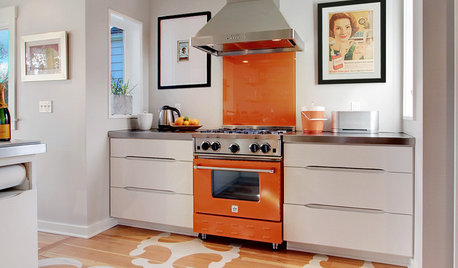
HOUSEKEEPINGHow to Clean Your Range and Oven
Experts serve up advice on caring for these kitchen appliances, which work extra hard during the holidays
Full Story
REMODELING GUIDESSurvive Your Home Remodel: 11 Must-Ask Questions
Plan ahead to keep minor hassles from turning into major headaches during an extensive renovation
Full Story
MOST POPULARHow Bluetooth 4.0 Will Change Remote Control
Manage lights, TV, refrigerators and more through your phone or tablet when the latest wireless technology rolls into all your home devices
Full Story
REMODELING GUIDESPlanning a Kitchen Remodel? Start With These 5 Questions
Before you consider aesthetics, make sure your new kitchen will work for your cooking and entertaining style
Full Story
MOVINGHiring a Home Inspector? Ask These 10 Questions
How to make sure the pro who performs your home inspection is properly qualified and insured, so you can protect your big investment
Full Story
WORKING WITH PROS10 Questions to Ask Potential Contractors
Ensure the right fit by interviewing general contractors about topics that go beyond the basics
Full Story
WORKING WITH PROS8 Questions to Ask Yourself Before Meeting With Your Designer
Thinking in advance about how you use your space will get your first design consultation off to its best start
Full Story
ARCHITECTURE10 Things to Know About Prefab Homes
Are prefab homes less costly, faster to build and greener than homes constructed onsite? Here are answers to those questions and more
Full Story
KITCHEN DESIGNStay Cool About Picking the Right Refrigerator
If all the options for refrigeration leave you hot under the collar, this guide to choosing a fridge and freezer will help you chill out
Full Story
BUDGETING YOUR PROJECTHouzz Call: What Did Your Kitchen Renovation Teach You About Budgeting?
Cost is often the biggest shocker in a home renovation project. Share your wisdom to help your fellow Houzzers
Full Story
weissman
mindstorm
Related Professionals
Madison Kitchen & Bathroom Designers · Kansas City Kitchen & Bathroom Designers · Winona Kitchen & Bathroom Designers · Laconia Kitchen & Bathroom Designers · Juneau Kitchen & Bathroom Designers · Columbia Bathroom Remodelers · Hartford Bathroom Remodelers · Keene Bathroom Remodelers · Honolulu Bathroom Remodelers · Albany Kitchen Remodelers · Cape Girardeau Kitchen Remodelers · Frisco Kitchen Remodelers · Springfield Kitchen Remodelers · Cleveland Kitchen Remodelers · Redding Kitchen Remodelers