

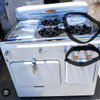
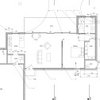
Hood sizing - Need to make Quick Decision!
16 years ago
Sort by:Oldest
Comments (3)
Related Stories
MOVINGHouse Hunting: Find Your Just-Right Size Home
Learn the reasons to go bigger or smaller and how to decide how much space you’ll really need in your next home
Full Story
CONTAINER GARDENS3 Steps to Creating Quick, Easy and Colorful Succulent Containers
Take a bright container, add a colorful succulent or two and have a professional, summery design in minutes
Full Story
LIFEA Quick Downsizing Quiz for the Undecided
On the fence about downsizing? We help you decide whether that fencing should encircle a mansion or a mini trailer
Full Story
MONTHLY HOME CHECKLISTSYour Checklist for Quick Houseguest Prep
Follow these steps to get your home ready in a hurry for overnight visitors
Full Story
DECORATING GUIDESThe Dumbest Decorating Decisions I’ve Ever Made
Caution: Do not try these at home
Full Story
DECORATING GUIDES15 Bite-Size Home Projects You Can Tackle in No Time
See how getting little decorating, cleaning and organizing tasks done can add up to a big sense of accomplishment
Full Story
HOUZZ TOURSMy Houzz: Family Renovates a 1963 Eichler to Make It Their Own
A Northern California couple expecting their first child move quickly to freshen up their new midcentury modern home
Full Story
BATHROOM DESIGNKey Measurements to Make the Most of Your Bathroom
Fit everything comfortably in a small or medium-size bath by knowing standard dimensions for fixtures and clearances
Full Story
THE HARDWORKING HOMESmart Ways to Make the Most of a Compact Kitchen
Minimal square footage is no barrier to fulfilling your culinary dreams. These tips will help you squeeze the most out of your space
Full Story
GARDENING AND LANDSCAPING10 Ideas to Make Your Outdoor Kitchen Sizzle
It's the little things that can make a difference, and we're not talking briquettes
Full Story
kaseki
aprince
Related Professionals
Somerset Kitchen & Bathroom Designers · Stamford Kitchen & Bathroom Designers · Newark Kitchen & Bathroom Designers · Akron Kitchen & Bathroom Designers · Yakima Kitchen & Bathroom Designers · Athens Bathroom Remodelers · Austin Bathroom Remodelers · Enfield Bathroom Remodelers · Boston Bathroom Remodelers · Detroit Bathroom Remodelers · Saint George Bathroom Remodelers · Sheridan Bathroom Remodelers · Saint Joseph Kitchen Remodelers · Pittsburgh Kitchen Remodelers · Billings Kitchen Remodelersredwoodgirl