

A safety tip
17 years ago
Sort by:Oldest
Comments (5)
Related Stories
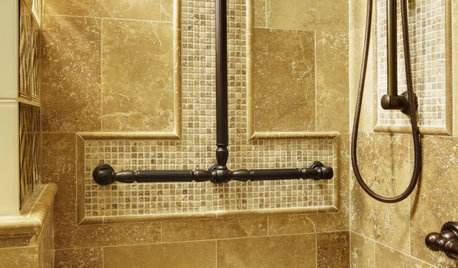
BATHROOM DESIGNBathroom Safety Features That Support Your Style
'Safety first' doesn't mean style comes in second with bathroom grab bars, shower seats and more designed for the modern home
Full Story
BATHROOM DESIGNSafety Plays With Style in Kids' Bathrooms
Have a little fun with "safety first" using kid-friendly furnishings and fixtures, plus a dose of imagination
Full Story
BATHROOM DESIGNSafety Goes Beautiful in the Bath
High-style grab bars, benches and handrails make falls less likely but great design almost guaranteed
Full Story
CONTRACTOR TIPSContractor Tips: 10 Home Areas That Likely Need a Pro
Safety, less cost and better aesthetics on a home improvement project may rest in the hands of an expert
Full Story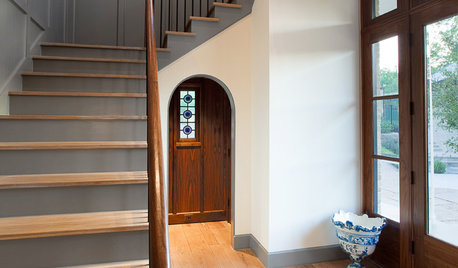
CONTRACTOR TIPSAn Expert Guide to Safe and Stylish Staircases
Understanding how stairs are designed and laid out can help you make the best decisions for safety and beauty in your home
Full Story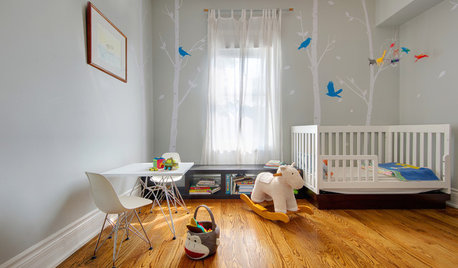
DECORATING GUIDES8 Tips for Creating a Safe and Cozy Nursery
Learn how to design a room that will grow up with your baby and also will be comfortable for you
Full Story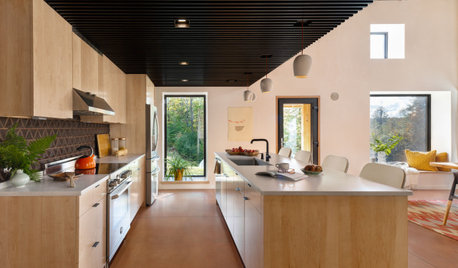
KITCHEN DESIGN10 Tips for Planning a Galley Kitchen
Follow these guidelines to make your galley kitchen layout work better for you
Full Story
MOST POPULARContractor Tips: Top 10 Home Remodeling Don'ts
Help your home renovation go smoothly and stay on budget with this wise advice from a pro
Full Story
REMODELING GUIDESContractor Tips: Advice for Laundry Room Design
Thinking ahead when installing or moving a washer and dryer can prevent frustration and damage down the road
Full Story
KIDS’ SPACES15 Tips for Small-Space Living With Baby
Keep your wee one's stuff under control and your nerves unfrazzled with these space-saving storage and baby-gear ideas
Full Story
baymee
iggieOriginal Author
Related Professionals
Richmond General Contractors · San Antonio General Contractors · Providence General Contractors · Lake Havasu City General Contractors · Fort Collins General Contractors · Middletown Home Remodeling · Muncie Home Remodeling · Taunton Home Remodeling · Grand Junction Home Remodeling · Philadelphia Bathroom Remodelers · Houston Bathroom Remodelers · Laconia Bathroom Remodelers · Middletown Bathroom Remodelers · San Francisco Bathroom Remodelers · Montréal Bathroom Remodelersbrickeyee
zl700
iggieOriginal Author