

Kitchen leak - what to do besides replace faucet
19 years ago
Sort by:Oldest
Comments (4)
Related Stories
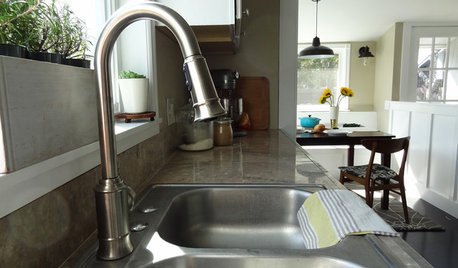
DIY PROJECTSHow to Replace Your Kitchen Faucet
Swap out an old faucet to give your kitchen a new look — it's a DIY project even a beginner can do
Full Story
MOST POPULARKitchen Evolution: Work Zones Replace the Triangle
Want maximum efficiency in your kitchen? Consider forgoing the old-fashioned triangle in favor of task-specific zones
Full Story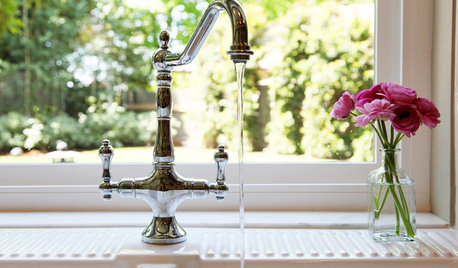
KITCHEN DESIGNHow to Pick a New Kitchen Faucet
Learn all about mounting styles, handles, finishes and quality to get the kitchen faucet that best fits your needs
Full Story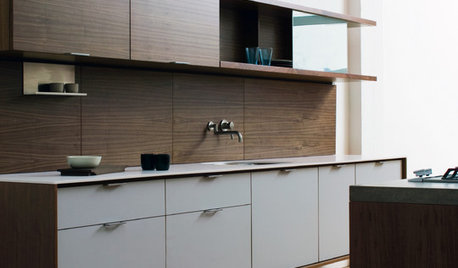
Fab Fixtures: The Wall-Mounted Faucet
Give Your Kitchen or Bath a Stunning Look With One of These Space-Saving Beauties
Full Story
BATHROOM DESIGNA Crash Course in Bathroom Faucet Finishes
Learn the pros and cons of 9 popular faucet finishes
Full Story
MOST POPULARHow to Reface Your Old Kitchen Cabinets
Find out what’s involved in updating your cabinets by refinishing or replacing doors and drawers
Full Story
BEFORE AND AFTERSA Seattle Family Bathroom Gains Privacy and Polish
Too much togetherness, along with a major leak, leads to a full gut renovation of a 1908 bath
Full Story
KITCHEN DESIGN3 Steps to Choosing Kitchen Finishes Wisely
Lost your way in the field of options for countertop and cabinet finishes? This advice will put your kitchen renovation back on track
Full Story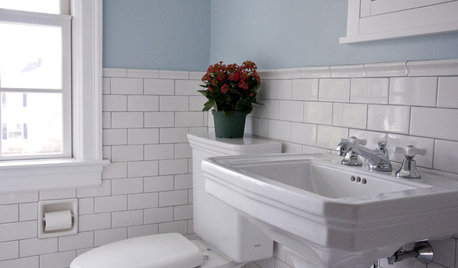
BATHROOM DESIGNRoom of the Day: Renovation Retains a 1920s Bath’s Vintage Charm
A ceiling leak spurs this family to stop patching and go for the gut
Full Story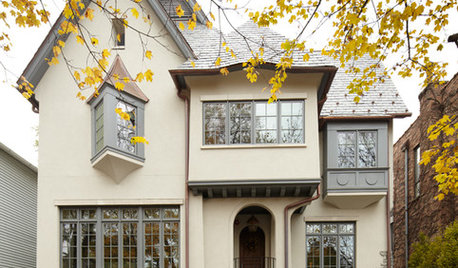
HOUSEKEEPINGHow to Tackle Your Home To-Dos
Make quick work of minor repairs and replacements with this thorough, step-by-step approach
Full StorySponsored

Leading Interior Designers in Columbus, Ohio & Ponte Vedra, Florida
castoff
cluelessOriginal Author
Related Professionals
Woodward General Contractors · Plymouth General Contractors · Canton General Contractors · Sierra Vista General Contractors · Chatham General Contractors · Huntsville Home Remodeling · Gainesville Home Remodeling · Williston Home Remodeling · Cape Coral Bathroom Remodelers · Great Bend Bathroom Remodelers · Galveston Bathroom Remodelers · Beckley Bathroom Remodelers · New Bedford Bathroom Remodelers · Hudson Bathroom Remodelers · Platteville Bathroom Remodelersdiygene
kudzu9