

Earnest money
20 years ago
Sort by:Oldest
Comments (3)
Related Stories
LIFE12 House-Hunting Tips to Help You Make the Right Choice
Stay organized and focused on your quest for a new home, to make the search easier and avoid surprises later
Full Story
MOVINGTips for Winning a Bidding War in a Hot Home Market
Cash isn’t always king in a bidding war. Get the home you want without blowing your budget, using these Realtor-tested strategies
Full Story
FUN HOUZZ10 Things People Really Don’t Want in Their Homes
No love lost over fluorescent lights? No shocker there. But some of these other hated items may surprise you
Full Story
HOUSEKEEPINGIt’s Time to Clean Your Gutters — Here’s How
Follow these steps to care for your gutters so they can continue to protect your house
Full Story
KITCHEN WORKBOOK8 Steps to Surviving a Kitchen Remodel
Living through a kitchen remodel isn’t always fun, but these steps will help you work around a kitchen in disarray
Full Story
GREAT HOME PROJECTSReady to Repaint Your Home’s Exterior? Get Project Details Here
Boost curb appeal and prevent underlying damage by patching and repainting your home’s outer layer
Full Story
DECORATING GUIDESHow to Focus Your Family Room on Family
Reclaim your room from screens and headphones with these ideas for fostering family togetherness
Full Story
HOME OFFICESStand-Up Desks Rise to Health Challenges
Sitting all day may be wrecking your health. Are you going to stand for that?
Full Story
HOUZZ TOURSHouzz Tour: Storied Family Farmhouse in Ohio
A shelter and DIY blogger with a passion for interior decorating breathes new life into her husband's ancestral home
Full Story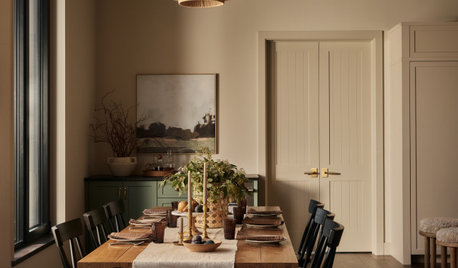
HOLIDAYS10 Tips for a Calm, Heartfelt Thanksgiving
Go easy on yourself this year and allow some breathing room to enjoy the holiday
Full Story
Sponsored
More Discussions


terezosa / terriks
berniek
Related Professionals
Manhattan General Contractors · Hannibal General Contractors · Charleston General Contractors · South Bend General Contractors · Mesquite General Contractors · Kahului General Contractors · Austin Architects & Building Designers · Texarkana Architects & Building Designers · Albany Architects & Building Designers · Monroe Architects & Building Designers · Lancaster Architects & Building Designers · Manhattan Kitchen Remodelers · Pittsburg Kitchen Remodelers · Florence Kitchen Remodelers · Trenton Kitchen Remodelershousekeeping