

A different name?
13 years ago
Sort by:Oldest
Comments (10)

Related Stories
REMODELING GUIDESCarrara vs. Calacatta Marble: What Is the Difference?
The answer is in the color and veining of these popular Italian marbles
Full Story
LIFEYou Said It: ‘It’s Different ... But Then, Aren’t You?’ and More Wisdom
Highlights from the week include celebrating individuality and cutting ourselves some decorating slack
Full Story
TILEEpoxy vs. Cement Grout — What's the Difference?
Grout is grout, right? Nope. Cement and epoxy versions have different appearances, durability and rules of installation
Full Story
DECORATING GUIDESStaging vs. Decorating: What's the Difference?
Unlike decorating, staging your home isn't about personal style — it's about creating ambiance and appeal for buyers
Full Story
ARCHITECTUREModern or Contemporary: What's the Difference?
10 homes illustrate the essence of modern and contemporary home design styles
Full Story
ROOTS OF STYLEArt Deco, Art Nouveau, Arts and Crafts: What’s the Difference?
If the zigzag and swirly designs of the past leave your head spinning, these descriptions will straighten you right out
Full Story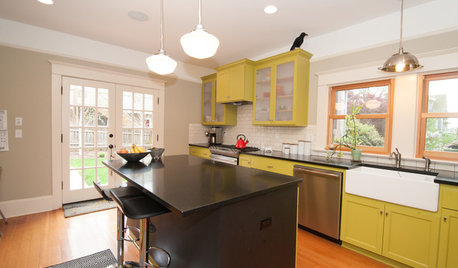
KITCHEN DESIGNKitchen of the Week: What a Difference Paint Can Make
A bold move gives a generic Portland kitchen personality without a major overhaul
Full Story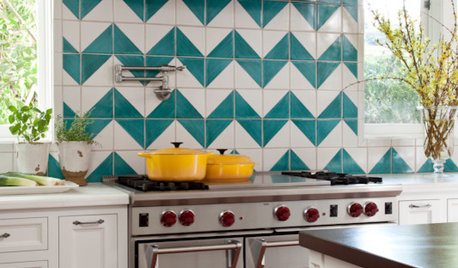
DECORATING GUIDESChevron, Herringbone, Flame Stitch: What’s the Difference?
Make the right point by learning the differences among these 3 popular zigzag patterns
Full Story
Night and Day Differences in Exteriors
Homes have different personalities when the sun goes down. See how these exteriors show themselves in the best possible light
Full Story
DINING ROOMSBuffet, Sideboard, Server, Credenza: What's the Difference?
Learn the definitions and details to make shopping for dining room storage furniture less confusing
Full Story



Olychick
KMBC
Related Professionals
El Dorado Interior Designers & Decorators · Forrest City Interior Designers & Decorators · Sarasota Interior Designers & Decorators · Greenfield Interior Designers & Decorators · Grand Rapids Interior Designers & Decorators · Oxnard Interior Designers & Decorators · Elizabethtown Kitchen & Bathroom Designers · Charleston Kitchen & Bathroom Designers · Muskegon Kitchen & Bathroom Designers · Winona Kitchen & Bathroom Designers · Monroe Kitchen & Bathroom Designers · Las Vegas Kitchen & Bathroom Designers · Seattle Kitchen & Bathroom Designers · Aiken Furniture & Accessories · Phoenix Furniture & Accessoriesmaddielee
violetwest
mjlb
violetwest
chucksmom
Kathie738 POriginal Author
violetwest
liriodendron