

Difference between low-E low-E4, SunCoat low-E
20 years ago
Sort by:Oldest
Comments (3)
Related Stories
ACCESSORIES8 Low-Cost Luxuries With a Big Payoff
Consider the small stuff — like switch plates and throw pillows — to give your home a touch of class
Full Story
MATERIALSMaterials Workshop: Polycarbonate — a Low-Cost Alternative to Glass
Looking for something lighter, stronger and less expensive than glass? Multiwall polycarbonate may be a good option
Full Story
WINDOW TREATMENTSHow Low Should Your Drapes Go?
Hover, brush the floor or pool like Scarlett O'Hara's tears — we give you the lowdown on curtain length options
Full Story
ARCHITECTURETime-Tested, Low-Tech Ways to Cool a Home
People have been beating the heat around the world for centuries without plugging anything in. Could these ideas work for your home today?
Full Story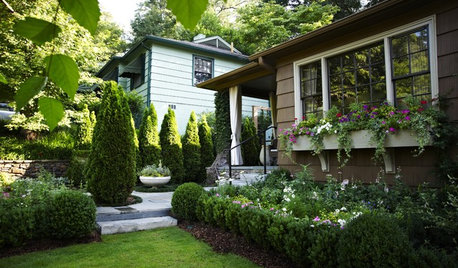
GARDENING GUIDES9 Low-Growing Hedges That Make Good Neighbors
Define garden areas or borders without blocking the view, with these evergreen shrubs that take kindly to trimming
Full Story
WINDOW TREATMENTSEasy Green: 9 Low-Cost Ways to Insulate Windows and Doors
Block drafts to boost both warmth and energy savings with these inexpensive but effective insulating strategies
Full Story
CURB APPEALEntry Recipe: Low-Maintenance Meets Contemporary Curb Appeal in Canada
A neighborhood-appropriate mix of textures and colors invites visitors to linger as they approach
Full Story
HOUZZ TOURSMy Houzz: Luminous and Low Maintenance in New Orleans
See the new build that replaced a hurricane-ravaged house, beginning a new chapter for a retiring couple
Full Story
ECLECTIC HOMESHouzz Tour: High-Low Mix in a Colorful Victorian
An unloved house is transformed into a cheerful, versatile home with a blend of design classics, budget pieces and treasured finds
Full Story
HALLOWEENLow-Boo Halloween Decor for the Little Ones
A designer balances fright-night scares with familiar delights to cater to the smallest of trick-or-treaters
Full Story
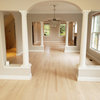
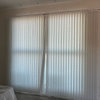
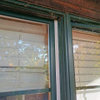
Michael
mike35
Related Professionals
Lexington General Contractors · Alexandria General Contractors · Show Low General Contractors · Odessa General Contractors · Somerset Home Remodeling · Alexandria Home Remodeling · Harrisonburg Home Remodeling · Honolulu Home Remodeling · Chillicothe Interior Designers & Decorators · Cedar Rapids Interior Designers & Decorators · Albert Lea Interior Designers & Decorators · Portsmouth Interior Designers & Decorators · Newport Interior Designers & Decorators · La Crosse Interior Designers & Decorators · Chatham Interior Designers & Decoratorsoberon476