

Lights dimming
19 years ago
Sort by:Oldest
Comments (7)
Related Stories
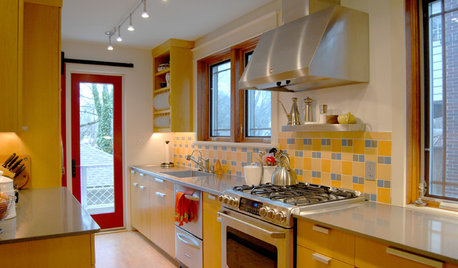
HOUZZ TOURSMy Houzz: From Dark and Dim to Cheerily Colorful in Pennsylvania
New windows and lively colors combine with updated accents to wake up a 3-bedroom home in Pittsburgh
Full Story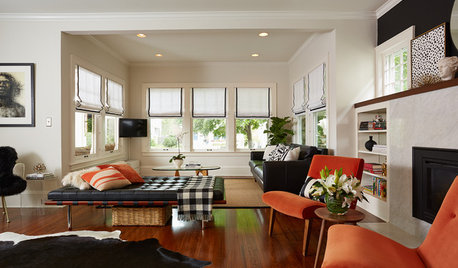
LIVING ROOMSRoom of the Day: A Minneapolis Living Room Goes From Dim to Delightful
A Craftsman-style living room gets lightened up, giving a family some space to gather and play
Full Story
LIGHTINGRecessed Lighting 101
Looking to brighten a drab, dim space? Recessed lighting may be your answer. Here's what you need to know
Full Story
DECORATING GUIDESLighting That Invites Romance
Dim the lights and turn on the tunes. On Valentine’s Day it’s all about setting the mood
Full Story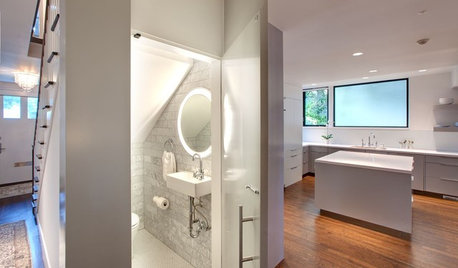
BATHROOM DESIGNLight-Up Mirrors Offer Bright Design Solutions
If you're taking a dim view of a problem bathroom area, try the flash of design brilliance that is the electric mirror
Full Story
HOME TECHNew TV Remote Controls Promise to Do More — Without the Struggle
Dim your lights, set up user profiles and discover a remote you can't lose. Welcome to the latest and greatest way to change the channel
Full Story
ATTICS14 Tips for Decorating an Attic — Awkward Spots and All
Turn design challenges into opportunities with our decorating ideas for attics with steep slopes, dim light and more
Full Story
LIGHTING8 Creative Lighting Solutions for Food Prep
Get all the task illumination you need while distracting the eye from fluorescents, following the lead of the kitchens here
Full Story
UNIVERSAL DESIGNHow to Light a Kitchen for Older Eyes and Better Beauty
Include the right kinds of light in your kitchen's universal design plan to make it more workable and visually pleasing for all
Full Story
DINING ROOMSAlluring Lighting for a Traditional Dining Room
Show dishes in their best light and set a beautiful mood with classically elegant chandeliers, sconces and pin lights
Full Story
blacknumber1
edwardt4482
Related Professionals
Crestview General Contractors · Raleigh General Contractors · Plattsburgh General Contractors · Milwaukee General Contractors · Tucson General Contractors · Coos Bay General Contractors · Saint Joseph Home Remodeling · Bartlesville Home Remodeling · Mason City Home Remodeling · Kalamazoo Home Remodeling · Honolulu Home Remodeling · Lake Charles Bathroom Remodelers · Parkersburg Bathroom Remodelers · Honolulu Bathroom Remodelers · Anchorage Bathroom Remodelersjoeplumb
bigbird_1
brickeyee
bigbird_1
joeplumb