

electrical testing
19 years ago
Sort by:Oldest
Comments (3)
Related Stories

DECORATING GUIDESTest-Drive a Touch of Neon
It's electric! Learn how to embrace this season's sizzling colors without overcommitting
Full Story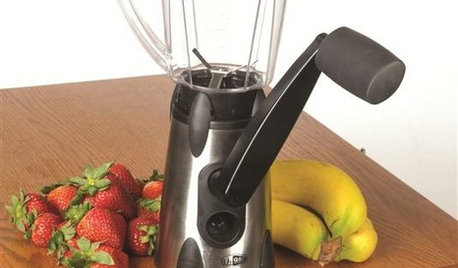
ACCESSORIESEasy Green: Cut Electricity Use With 15 Unplugged Home Devices
Crank up the energy savings, courtesy of household items that come into power the old-fashioned way: manually
Full Story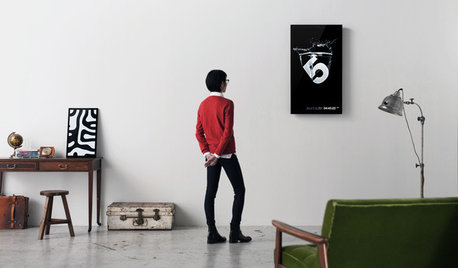
ARTNew Digital Art Frame Gets Put to the Test
Our writer sets up the EO1 at home, then invites artist friends over for a look — at images of their own work. See what they have to say
Full Story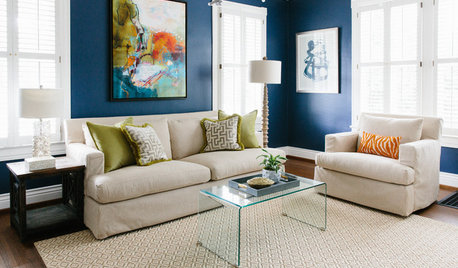
MOST POPULARThe Right Way to Test Paint Colors
Here are 5 key steps to take to ensure you're happy with your wall paint color
Full Story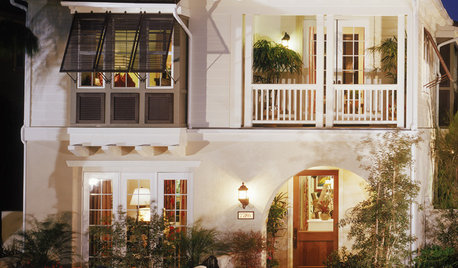
ARCHITECTURETime-Tested, Low-Tech Ways to Cool a Home
People have been beating the heat around the world for centuries without plugging anything in. Could these ideas work for your home today?
Full Story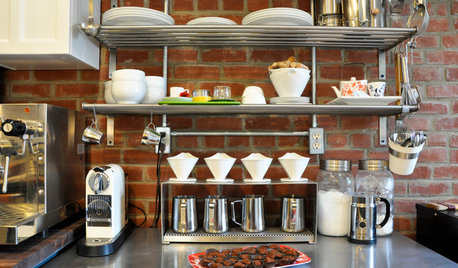
KITCHEN DESIGNSweet Ideas and a Truffle Recipe from a Chocolatier's Test Kitchen
A $2,100 budget didn't mean a half-baked kitchen redo; this confectioner just rolled up her sleeves and rolled out the improvements
Full Story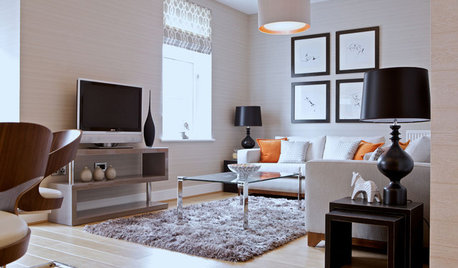
See How TVs Are Passing the Designer Test
Better-looking televisions and electronics come out of the armoire, into the room's design
Full Story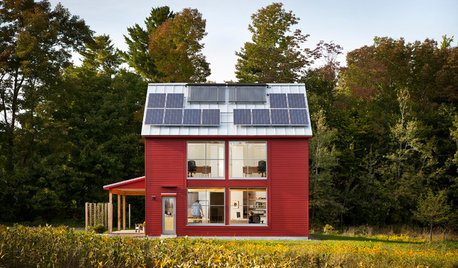
GREEN BUILDINGGoing Solar at Home: Solar Panel Basics
Save money on electricity and reduce your carbon footprint by installing photovoltaic panels. This guide will help you get started
Full Story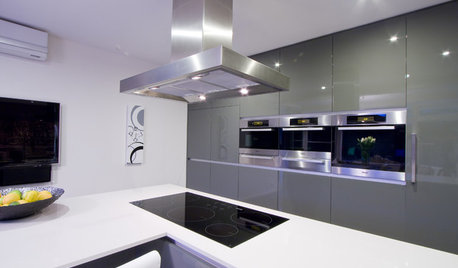
KITCHEN APPLIANCESFind the Right Cooktop for Your Kitchen
For a kitchen setup with sizzle, deciding between gas and electric is only the first hurdle. This guide can help
Full Story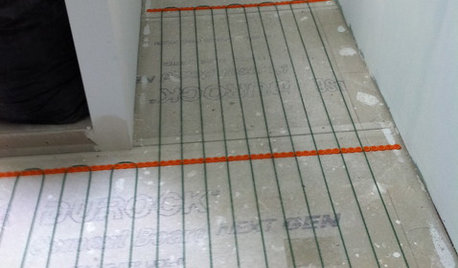
BATHROOM DESIGNWarm Up Your Bathroom With Heated Floors
If your bathroom floor is leaving you cold, try warming up to an electric heating system
Full Story

tom_o
bus_driver
Related Professionals
Muskogee General Contractors · Aurora General Contractors · Escanaba General Contractors · Kenosha General Contractors · Murfreesboro Home Remodeling · Gary Home Remodeling · Saint Marys Home Remodeling · Boise Home Remodeling · Billings Home Remodeling · Spokane Home Remodeling · Belleville Bathroom Remodelers · Hagerstown Bathroom Remodelers · Joplin Bathroom Remodelers · Brattleboro Bathroom Remodelers · Lubbock Bathroom Remodelersgenr8rs