

Poly question. Different brands = different colors?
16 years ago
Sort by:Oldest
Comments (4)
Related Stories
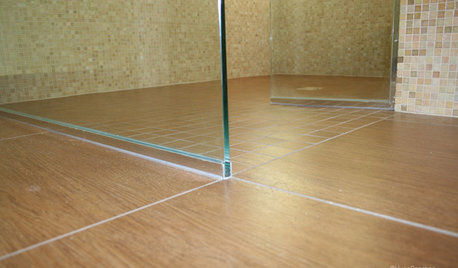
TILEEpoxy vs. Cement Grout — What's the Difference?
Grout is grout, right? Nope. Cement and epoxy versions have different appearances, durability and rules of installation
Full Story
DECORATING GUIDESStaging vs. Decorating: What's the Difference?
Unlike decorating, staging your home isn't about personal style — it's about creating ambiance and appeal for buyers
Full Story
MOST POPULAR8 Little Remodeling Touches That Make a Big Difference
Make your life easier while making your home nicer, with these design details you'll really appreciate
Full Story
REMODELING GUIDESCarrara vs. Calacatta Marble: What Is the Difference?
The answer is in the color and veining of these popular Italian marbles
Full Story
HOUZZ TOURSMy Houzz: Eclectic Meets Rustic in a Decidedly Different Dallas Home
This couple's highly personal style embraces found objects, thrift store scores, international art and a whole lotta grandkid love
Full Story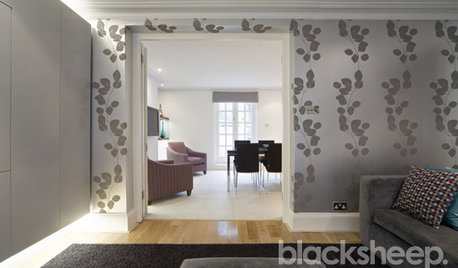
10 Different Ways to Use Wallpaper
Contemporary wallpapers in bedrooms, kids rooms, bathrooms and more
Full Story
ARCHITECTUREModern or Contemporary: What's the Difference?
10 homes illustrate the essence of modern and contemporary home design styles
Full Story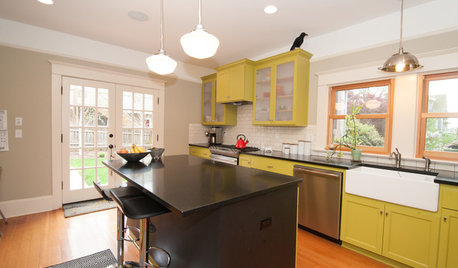
KITCHEN DESIGNKitchen of the Week: What a Difference Paint Can Make
A bold move gives a generic Portland kitchen personality without a major overhaul
Full Story
ROOTS OF STYLEArt Deco, Art Nouveau, Arts and Crafts: What’s the Difference?
If the zigzag and swirly designs of the past leave your head spinning, these descriptions will straighten you right out
Full Story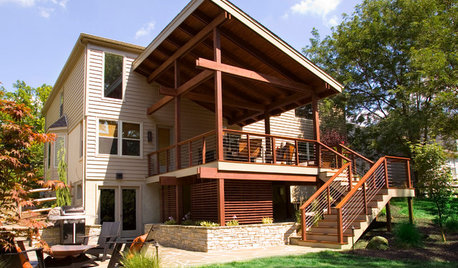
MOST POPULARSee the Difference a New Back Deck Can Make
A dramatic 2-story porch becomes the centerpiece of this Ohio family’s renovated landscape
Full Story
sue36
UserOriginal Author
Related Professionals
Panama City Interior Designers & Decorators · Southaven Interior Designers & Decorators · Starkville Interior Designers & Decorators · Galveston Interior Designers & Decorators · South Bend Interior Designers & Decorators · Sheboygan Interior Designers & Decorators · Napa Interior Designers & Decorators · Lawton Kitchen & Bathroom Designers · Laredo Kitchen & Bathroom Designers · Newburyport Kitchen & Bathroom Designers · Dodge City Kitchen & Bathroom Designers · Amarillo Kitchen & Bathroom Designers · Cape Coral Furniture & Accessories · Port Saint Lucie Furniture & Accessories · Portland Furniture & AccessoriesUserOriginal Author
UserOriginal Author