

Grafting wax temp
11 years ago
Sort by:Oldest
Comments (8)
Related Stories
HOUSEKEEPINGThe Simple Way to Remove Wax From Candlesticks
Before you make a mess of things, read these easy steps for removing melted wax from your candlesticks
Full Story
REMODELING GUIDESThe Case for Linoleum and Vinyl Floors
Have pets, kids and a tight budget? Easy-care resilient floors may be the choice for you
Full Story
FARM YOUR YARDIf You Have Room for Only One Fruit Tree ...
Juice up a small garden with one of these easier-care or worth-the-effort fruit trees for a mild climate
Full Story
KITCHEN DESIGNSoapstone Counters: A Love Story
Love means accepting — maybe even celebrating — imperfections. See if soapstone’s assets and imperfections will work for you
Full Story
EDIBLE GARDENSHow to Add an Apple Tree to Your Edible Garden
Readily available, beautiful and fragrant, apple trees offer four-season interest along with crisp, juicy fruit
Full Story
LIFE6 Ways to Beat the Winter Blahs
Snow and dark days dampening your spirits? These ideas will have you looking on the bright side
Full Story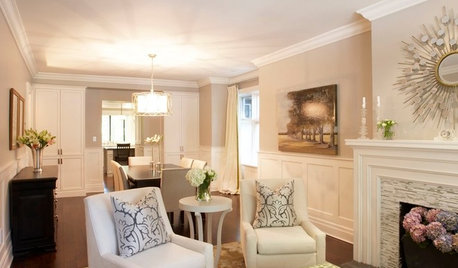
SMALL SPACES11 Design Ideas for Splendid Small Living Rooms
Boost a tiny living room's social skills with an appropriate furniture layout — and the right mind-set
Full Story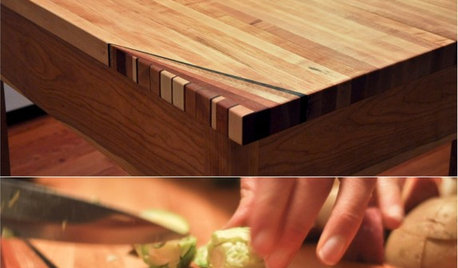
WOODWORKINGHow to Clean and Care for Your Butcher Block
Keep butcher block counters and boards looking sharp as a knife — and sanitized for safe food prep — with this advice from a pro woodworker
Full Story
FLOORS5 Benefits to Concrete Floors for Everyday Living
Get low-maintenance home flooring that creates high impact and works with home styles from traditional to modern
Full Story
FURNITUREForever Furniture: A Buyer’s Guide to the Dining Table
There comes a time when a make-do piece of furniture won’t do. We give you a leg up on choosing the right table for you
Full Story

marknmt
drew51 SE MI Z5b/6a
Related Professionals
Macon Landscape Architects & Landscape Designers · Madison Landscape Architects & Landscape Designers · Ashland Landscape Architects & Landscape Designers · Harrisonburg Landscape Architects & Landscape Designers · Plattsburgh Landscape Architects & Landscape Designers · Los Angeles Landscape Architects & Landscape Designers · Everett Landscape Architects & Landscape Designers · West Palm Beach Landscape Contractors · Tulsa Landscape Contractors · Southaven Home Additions · New Braunfels Home Additions · Auburn Home Additions · Canton Home Additions · Brattleboro Home Additions · Gillette Home AdditionsKonrad___far_north
rayrose
TurCre
applenut_gw
john222-gg
copingwithclay