

edible dandelion question
11 years ago
Sort by:Oldest
Comments (7)
Related Stories
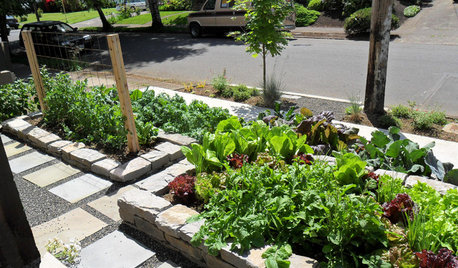
FRONT YARD IDEASWelcome Edibles Into the Front Yard for Fresh Food and More
Give your front yard design a boost and maybe even make new friends by growing fruits and vegetables
Full Story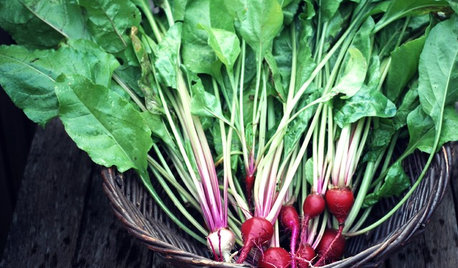
EDIBLE GARDENS8 Last-Minute Additions to a Summer Edible Garden
It’s not too late to get these vegetables and herbs planted for a bountiful harvest this year
Full Story
FARM YOUR YARDHouzz Call: Home Farmers, Show Us Your Edible Gardens
We want to see where your tomatoes, summer squashes and beautiful berries are growing this summer
Full Story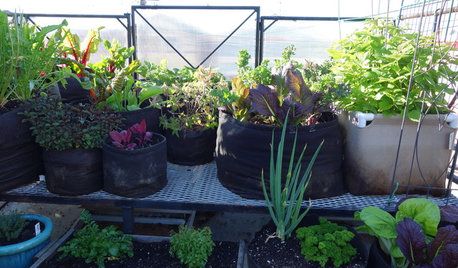
FARM YOUR YARDAn Urban Greenhouse Overflows With Edibles
Making meals just means stepping into the yard for a San Francisco couple who revamped an old orchid house
Full Story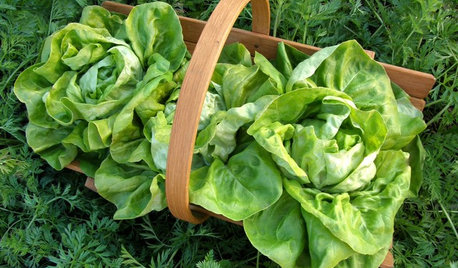
GARDENING GUIDES10 Easy Edibles for First-Time Gardeners
Focus on these beginner-friendly vegetables, herbs, beans and salad greens to start a home farm with little fuss
Full Story
GARDENING AND LANDSCAPINGFeast Your Eyes on Edible Gardens
Gorgeous vegetables, solo or paired with ornamental flowers and grasses, make landscapes easy to swallow
Full Story
Elevate Your Everyday Edibles Into Kitchen Art
Sugar and spice and everything nice deserve pride of place on your kitchen counters and shelves. These ideas can help
Full Story
GARDENING GUIDESEssential Watering Tips for Your Edible Garden
To give your edible plants just what they need, check out these guidelines for how, when and how much to water
Full Story
EDIBLE GARDENSLessons From an Edible Garden on a City Roof
Reincarnation of New York City rooftop pool proves edible landscaping is possible just about anywhere
Full Story
FARM YOUR YARDHow to Grow Vegetables in Containers
Get glorious vegetables and fruits on your patio with a pro’s guidance — including his personal recipe for potting mix
Full Story
floral_uk z.8/9 SW UK
tete_a_tete
Related Professionals
New Orleans Landscape Architects & Landscape Designers · Spartanburg Landscape Architects & Landscape Designers · Sioux City Landscape Architects & Landscape Designers · Lebanon Landscape Architects & Landscape Designers · Dothan Landscape Contractors · Mobile Landscape Contractors · Panama City Landscape Contractors · Fayetteville Landscape Contractors · Petersburg Landscape Contractors · Keene Landscape Contractors · Cleveland Landscape Contractors · Orangeburg Architects & Building Designers · Erie Architects & Building Designers · Newport Architects & Building Designers · Napa Architects & Building Designersfarm_boyOriginal Author
weedlady
farm_boyOriginal Author
fatamorgana2121
weedlady