

Water Heating for new construction
11 years ago
Sort by:Oldest
Comments (5)

Related Stories
FLOORSFloors Warm Up to Radiant Heat
Toasty toes and money saved are just two benefits of radiant heat under your concrete, wood or tile floors
Full Story
GREEN BUILDINGInsulation Basics: Heat, R-Value and the Building Envelope
Learn how heat moves through a home and the materials that can stop it, to make sure your insulation is as effective as you think
Full Story
FLOORSIs Radiant Heating or Cooling Right for You?
Questions to ask before you go for one of these temperature systems in your floors or walls (yes, walls)
Full StoryGREAT HOME PROJECTSHow to Add a Radiant Heat System
Enjoy comfy, consistent temperatures and maybe even energy savings with hydronic heating and cooling
Full Story
GREEN BUILDINGHouzz Tour: Passive House in Vermont Slashes Heating Bills
Its ecofriendly, low-maintenance design leaves a family with more time to relax and enjoy the weekend home
Full Story
HOUZZ TOURSHouzz Tour: Innovative Home, Heated and Cooled by Design
Meet the Hudson Passive Project, one of the most energy-efficient home designs in the world
Full Story
FLOORSWhat to Ask When Considering Heated Floors
These questions can help you decide if radiant floor heating is right for you — and what your options are
Full Story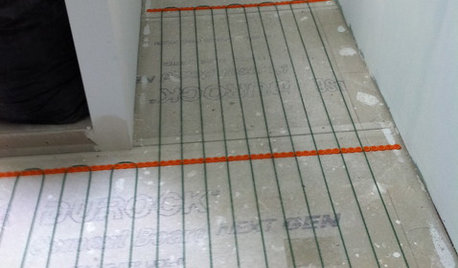
BATHROOM DESIGNWarm Up Your Bathroom With Heated Floors
If your bathroom floor is leaving you cold, try warming up to an electric heating system
Full Story
HOUSEKEEPINGLower Your Heating Bills With Some Simple Weather Stripping
Plug the holes in your house this winter to make sure cold air stays where it belongs: outside
Full Story
HOUZZ TOURSHouzz Tour: Battling the Tides Results in a Wondrous House on the Water
A complex construction effort pays off big-time with unobstructed views of Blue Hill Bay in Maine
Full Story


Vith
Jeff BowersOriginal Author
Related Professionals
Clarksdale General Contractors · Kingman General Contractors · Bakersfield General Contractors · Santa Maria General Contractors · Hobbs General Contractors · Wenatchee General Contractors · Beatrice Home Remodeling · Bakersfield Home Remodeling · Kennewick Home Remodeling · Winston-Salem Bathroom Remodelers · Florence Bathroom Remodelers · Norfolk Bathroom Remodelers · Gary Bathroom Remodelers · Monroe Bathroom Remodelers · Queens Bathroom RemodelersVith
waterbug_guy
Jeff BowersOriginal Author