Software
Houzz Logo Print
mamabear2four

Reclaiming backyard from ivy

11 years ago

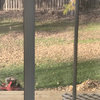
We moved into a home last summer where the previous owners didn't like lawn care so they allowed the aprox. 1/2 acre backyard to overgrow with trees and ivy/shrubs/poison oak, etc. We have cut down all the saplings, leaving the mature trees and now have dappled sun. We pulled all the poison oak (very very carefully!) and mowed off the weeds/shrubs etc.

We are thinking that our next steps are to:
1. mow the leaves
2. use a thatcher rake to remove the ivy (or would a spray work better?)
3. plant shade tolerant grass

The only problem is that we have only enough money to plant the grass once this spring - if it fails, we're left with a rather large dirt yard. How can we ensure that we actually succeed?

We are not afraid of renting equipment if needed, but need to do this as budget friendly as possible! We have a basic seed spreader.

Comments (5)

  • 11 years ago

    Where do you live and what kind of grass do you want? If you want a cool season grass like Kentucky bluegrass, fescue, or rye, you should plan to plant it in late summer/early fall. Until then you can be clearing the lawn, doing a soil test to see what it may need, and improving the soil before planting. For example, if the soil test indicates you need lime, you could make some applications before fall. As for ivy, you need to dig it up so you get the roots. If you have a lot of shade, you may want to make the lawn area small, where there is enough sunlight to sustain it, and make mulched areas or shade garden areas in areas that are mainly shaded. Even grass for shade needs some sun.

  • 11 years ago

    Ivy is a nightmare plant that seems to be able to come back from the tiniest scrap of root. Or such has been my experience with it.

    Brush killer is often the best thing, and don't count on getting it all the first time. Or the second. Possibly the third.

    So like beckybeck said, I'd take this summer and prep. It's going to take you that long to assure that nothing comes back. It'll give you a nice, long season to prepare for late summer grass planting, and I'd also water some during summer to get weeds to sprout so you can kill those. I'll guarantee the soil bank of weed seeds in a neglected patch is going to be enormous.

  • 11 years ago

    We live in Maryland, and I don't care what kind of grass, I was looking at red fescue and we were planning on talking to a farm supply store here to see what they recommended.

    Part of the problem we have is that in the summer, the mosquitoes are insane because they hide and breed in the ivy/brush. The major duty sprays help for about a week or until the next rain but the neighbors, who have grass and no trees, have no mosquitoes at all.

    We have a dog and kids, and just want to have a yard they can play in! There is one portion of the yard that gets a lot more sun than the rest - the shady spots probably get approximately 2 hours of direct sun per day during the summer. Maybe we should just plant grass in the more sunny spot (that gets at least 5-6 or so hours of direct sun a day) and mulching the rest would be one idea to think about.

  • 11 years ago

    Maryland is in the transitional area, where the cool season grasses suffer in the summer and warm season grasses (like Bermuda and zoysia) suffer in the winter (and are brown most of the year). Red fescue is more shade tolerant than other grasses but it is not good for a play area as it does not recover quickly from damage. If you put the lawn where you have more sun, I'd recommend turf type tall fescue or Kentucky bluegrass.

    I've had success with pulling ivy up. I found where it was rooted and dug it up and rolled the vine into big bundles of vine, continuing to dig up roots. It did not come back. Now all I have to do is patrol the borders where it tries to come back in from the neighbors. If I were you, I'd dig the ivy up and then look out for any that tries to come back. Spray that with brush killer. Also, look out for any poison ivy that tries to regrow.

    If you want grass now you can lay sod. It's more expensive but it's instant lawn. If you plant seed in the spring it will not have enough roots to make it through the hot summer. You're much better off waiting until late August/early September to plant seed. You will need to keep the seed moist while it's germinating. Will you be able to water briefly 3-4 times a day for several weeks? If you have a irrigation system, no problem. if not, someone needs to water the seed bed.

  • 11 years ago

    Sprinklers in a timer will also work for watering seed. Turf type tall fescue (TTTF) will germinate in 1-2 weeks. Kentucky bluegrass takes longer (up to 4 weeks). You gradually cut back on frequency of watering as the grass comes in. KBG is higher maintenance than TTTF. An advantage to KBG is that it will spread, so if you lose some grass it will fill back in. With TTTF you have to replant seed to fill in. You may have to overseed TTTF in the fall after brutal summers. University of Maryland has lists of recommended cultivars of each kind of grass (TTTF, KBG, fine fescue, rye, Bermuda, and zoysia). When you are researching the particular cultivars, look for ones that are resistant to brown patch.